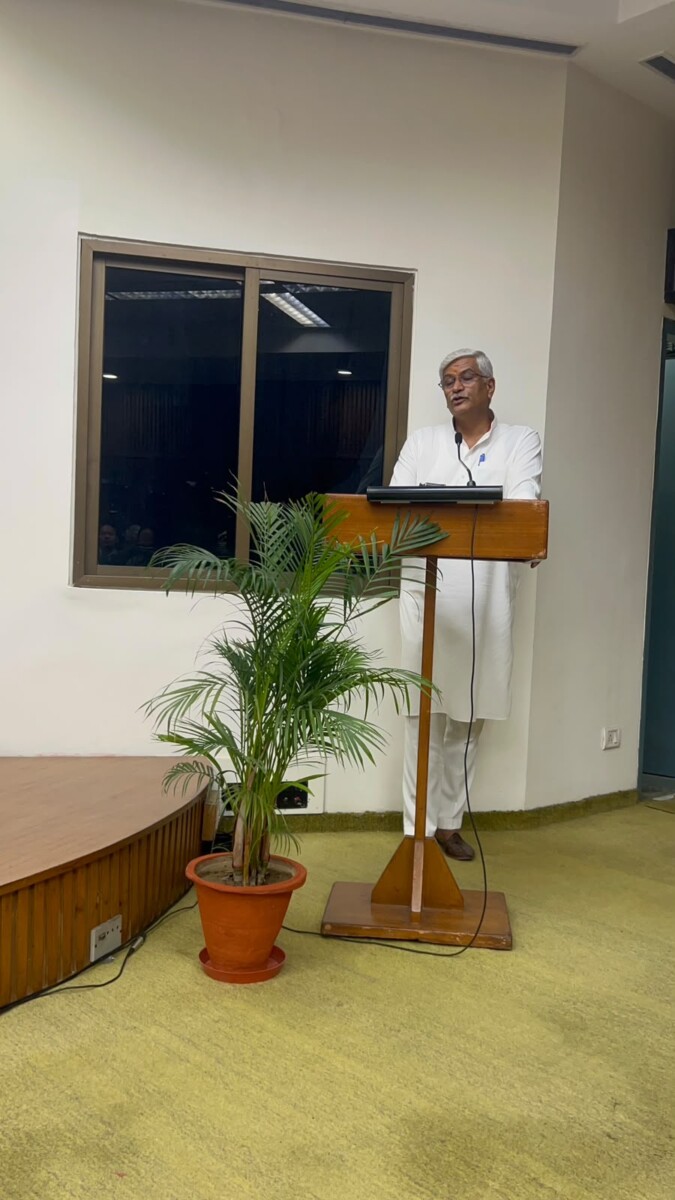
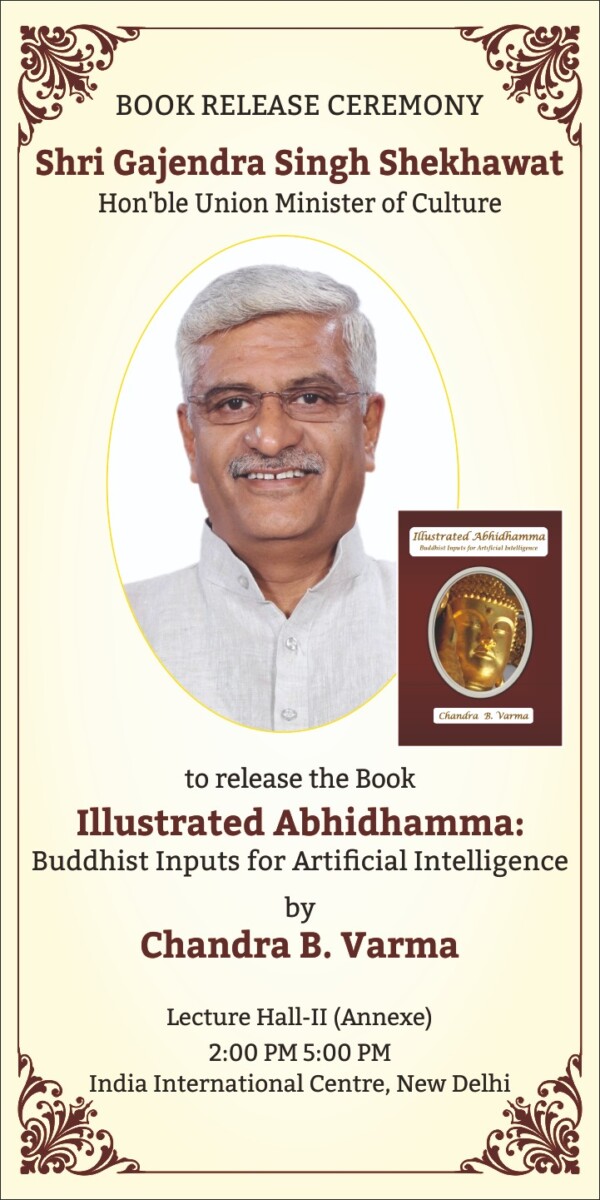
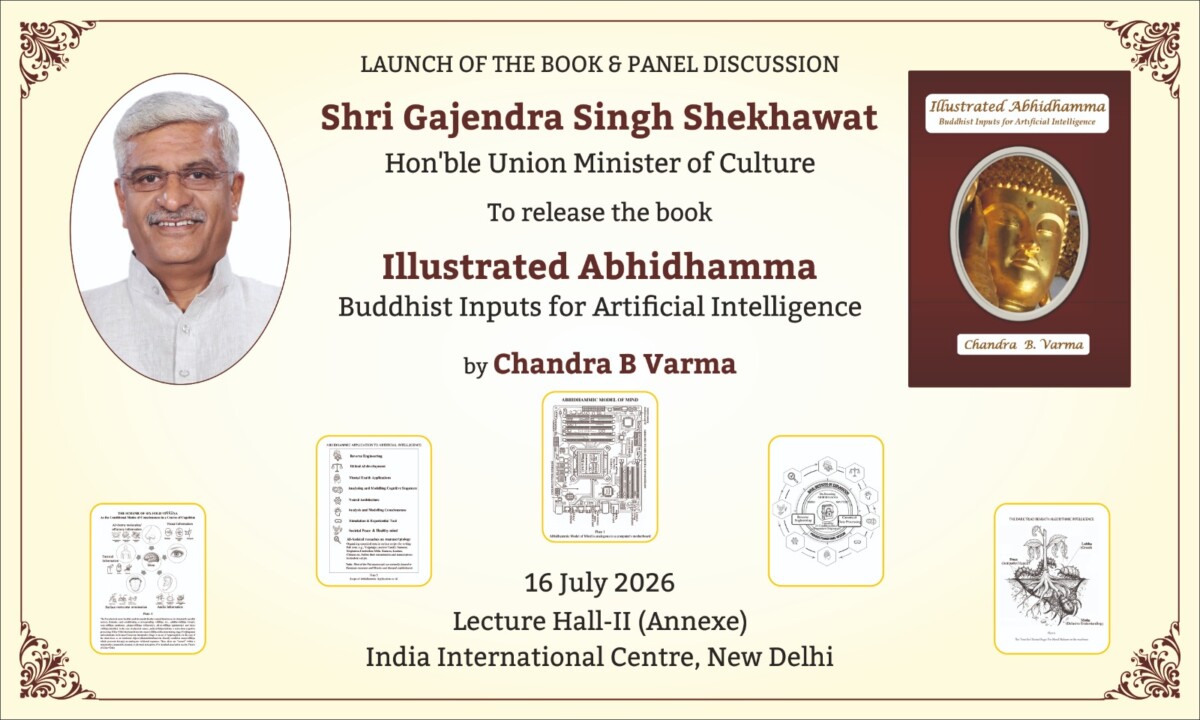
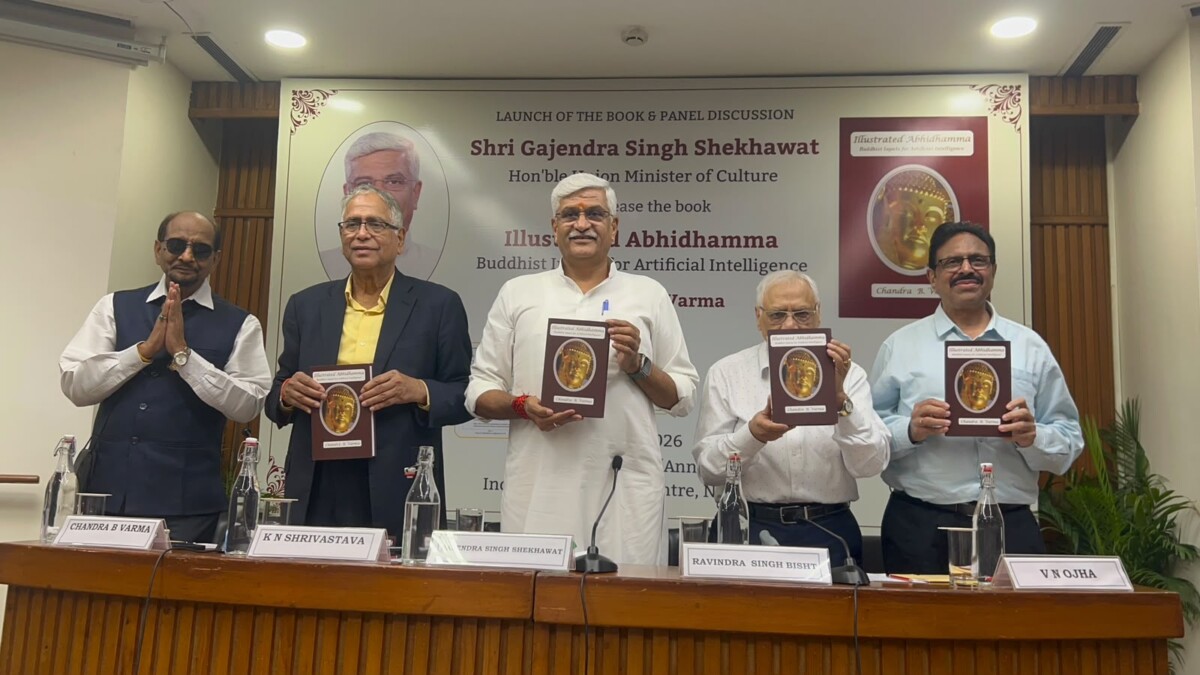
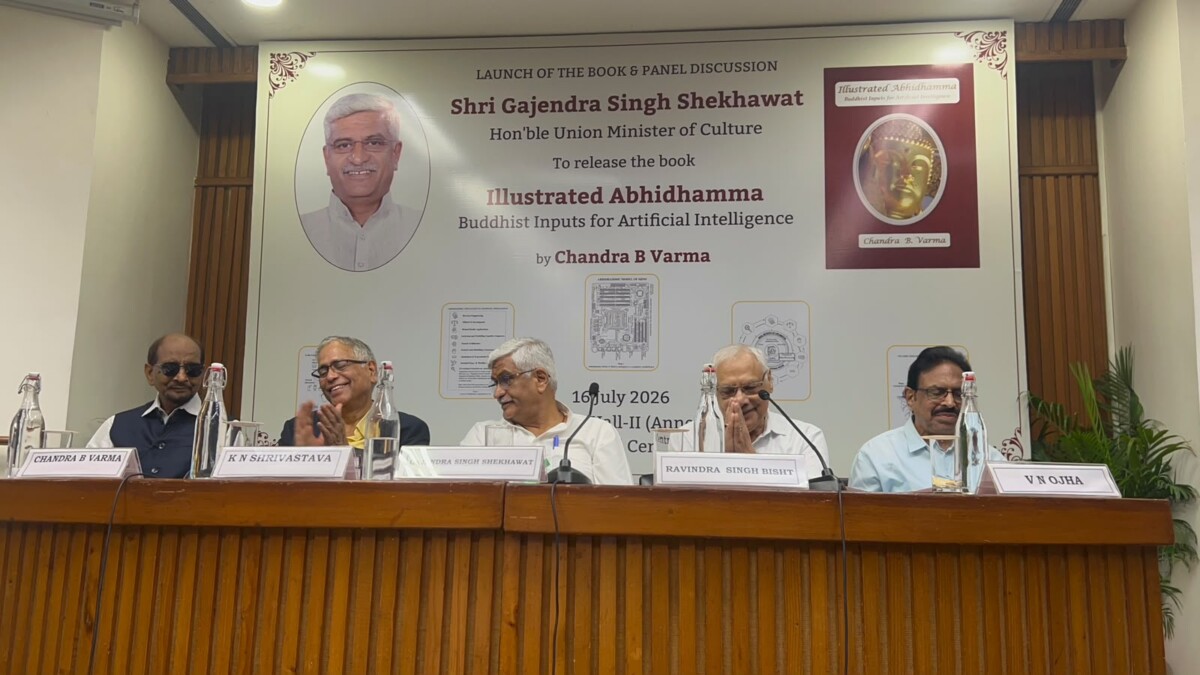
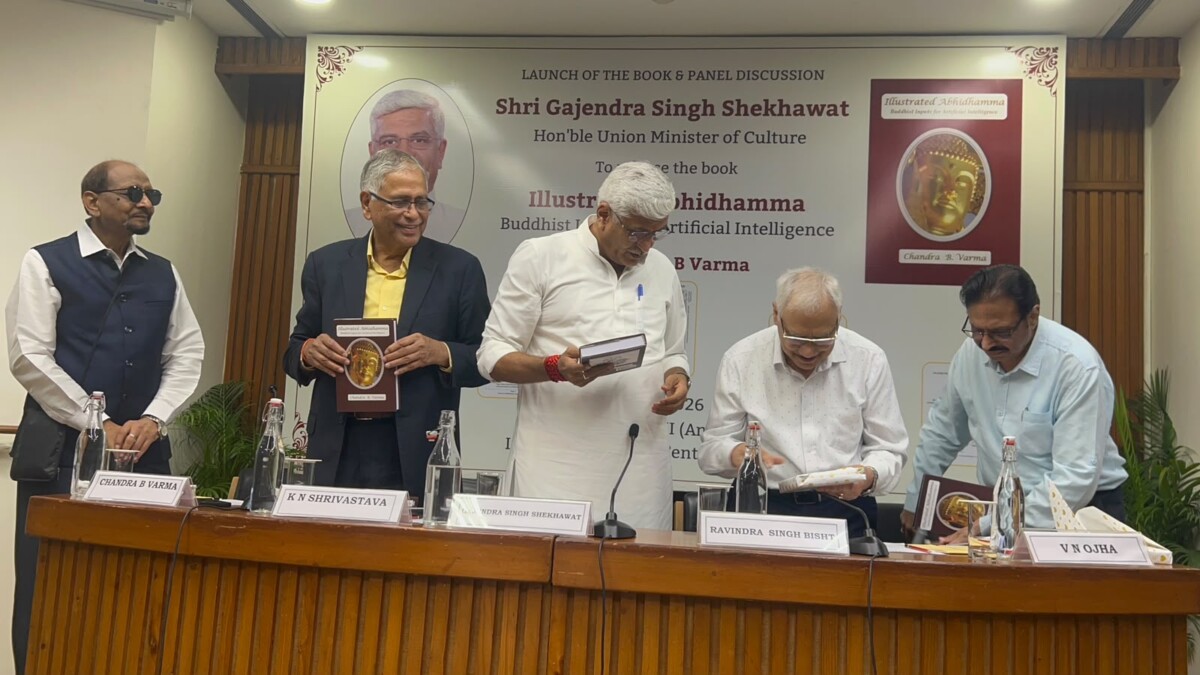
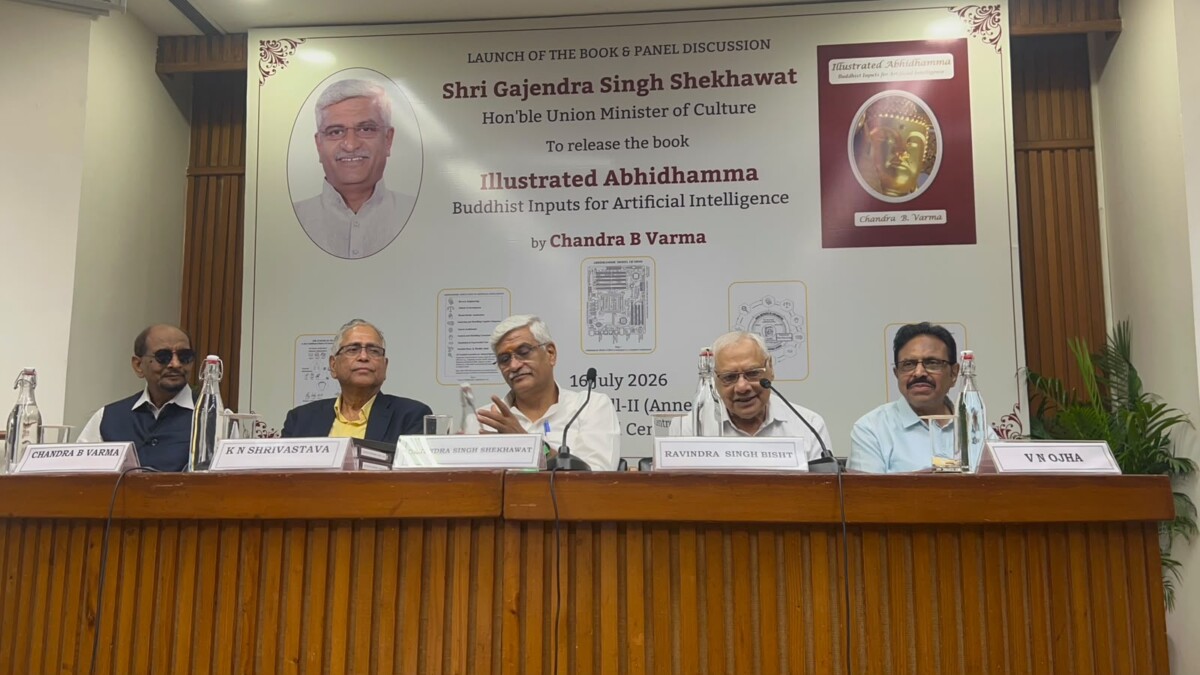
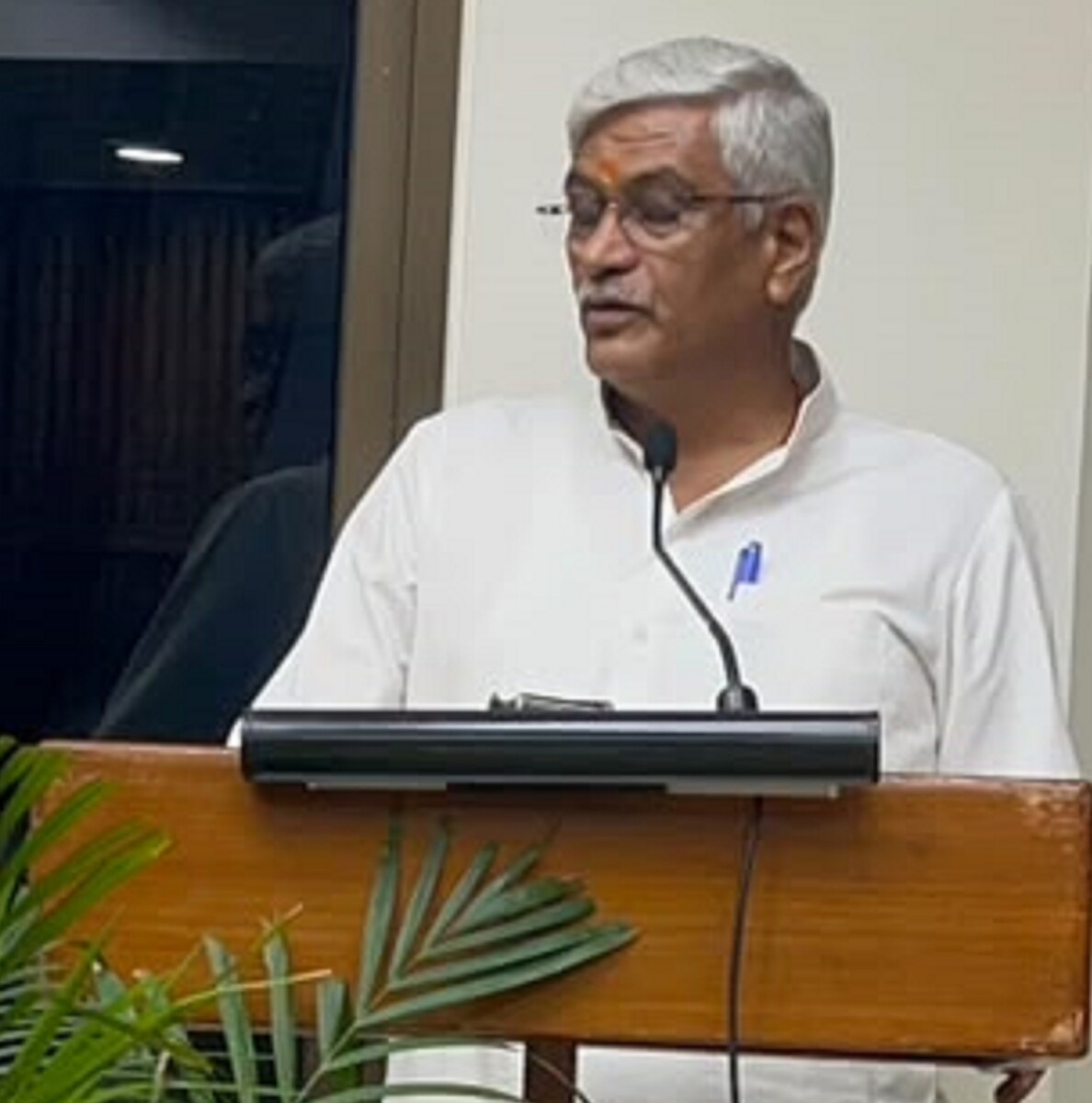
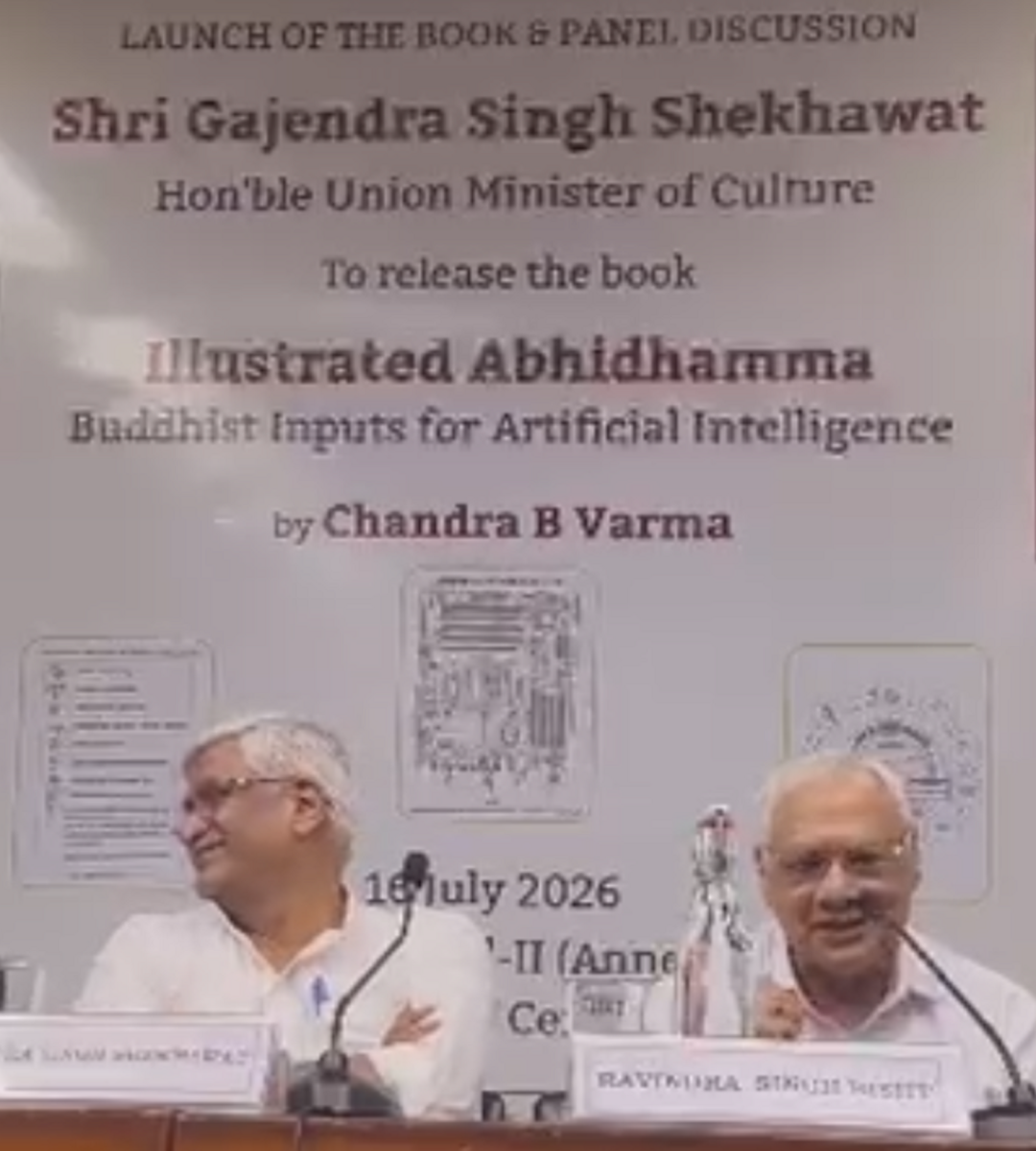
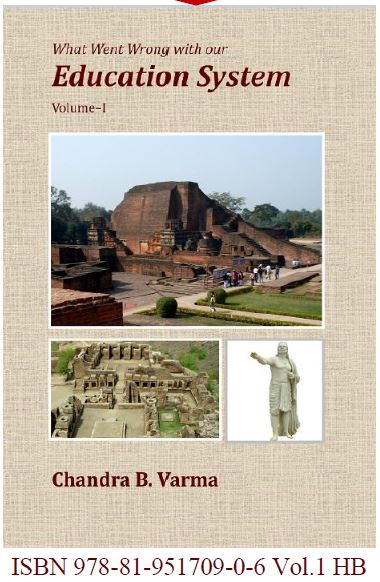
“I deeply appreciate Professor Varma’s remarkable contribution. Rather than advancing nostalgic claims or romanticising the past, he forges a profound dialogue between modern technology and ancient philosophy, demonstrating that the two are not mutually exclusive but can be complementary.
Our civilisational tradition has always flourished through an openness to ideas in their fullest expression—by synthesising diverse perspectives, assimilating what is noble wherever it may come from, and cultivating wisdom through rigorous debate and thoughtful reflection. This work exemplifies that very spirit.
I extend my heartfelt congratulations to Professor Chandra Bhushan Varma for this pioneering work. I am confident that it will prove both timely and enduring—stimulating meaningful intellectual engagement and making a significant contribution to the evolving discourse on ethical technology, artificial intelligence, and the future of human civilisation.
– Sh Gajendra Singh Shekhawat, Union Minister of Culture, Govt of India
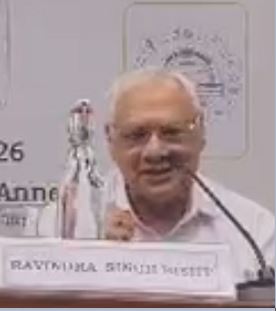
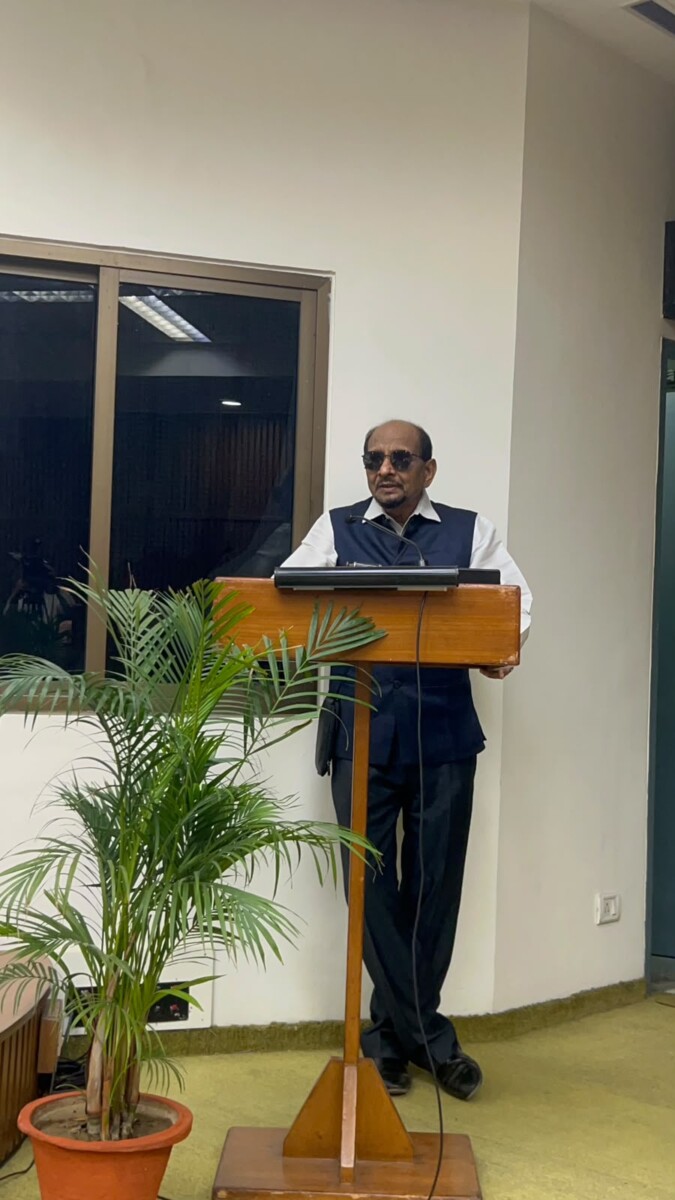
“The material presented today—especially regarding ‘Buddhist inputs for Artificial Intelligence‘—is truly impressive. Science has advanced so much, and this subject holds great significance… This initiative encompasses literature, philosophy, and—as Dr Verma noted—even scientific concepts embedded within the language itself.”
Padma Shri Dr. R. S. Bisht — the legendary excavator of Dholavira and a doyen of the Indus Valley Civilisation
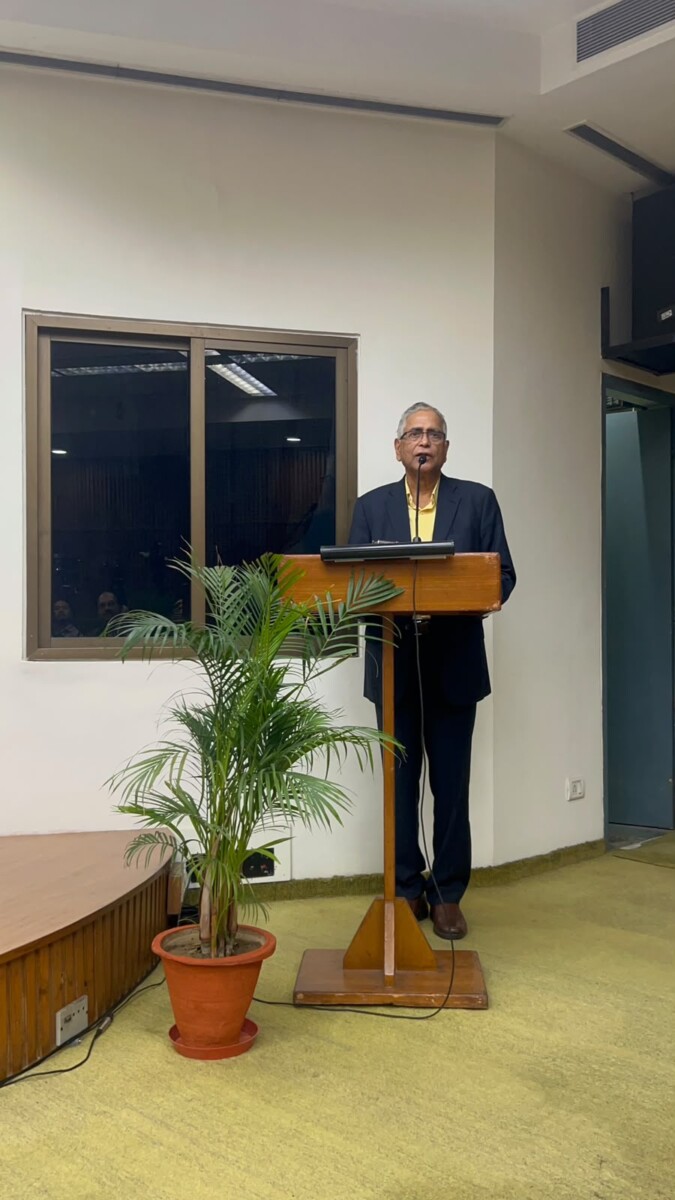
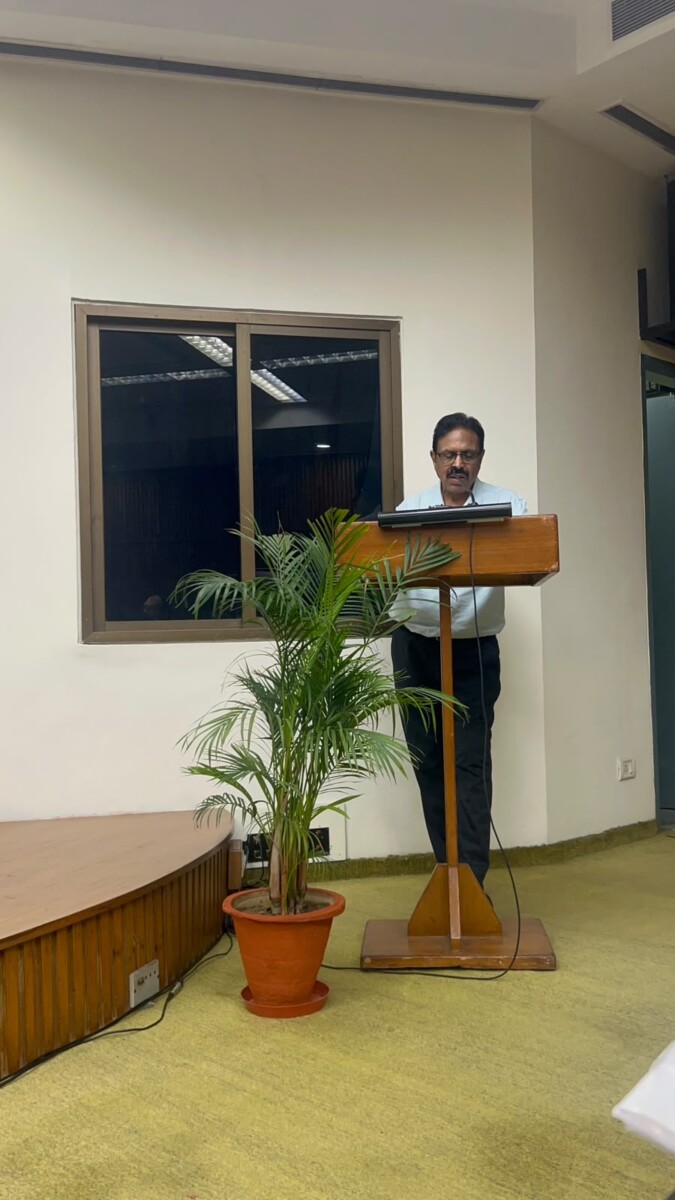
“…I would like to congratulate Professor C. B. Varma for the excellent book he has written. I am sure this book can become a pioneering work in a new area where we shall be discussing how our traditional wisdom can be utilised in technological development.
The Buddhist Abhidhamma, as he has already pointed out, is basically a science of the mind. It offers insights that can help guide AI towards wisdom, compassion, and human flourishing.
Technology can change the world, but wisdom steers technology for the good of humanity. It’s food for thought for all of us, no matter what field our profession is in. And this is the central message of Professor Varma’s book. ”
– DR V.N. OJHA
(An eminent Scientist; a pioneer of India’s Metrology; first Indian to receive APMP Award for developing NMI; also a recipient of CSIR’s Young Scientist Award.)
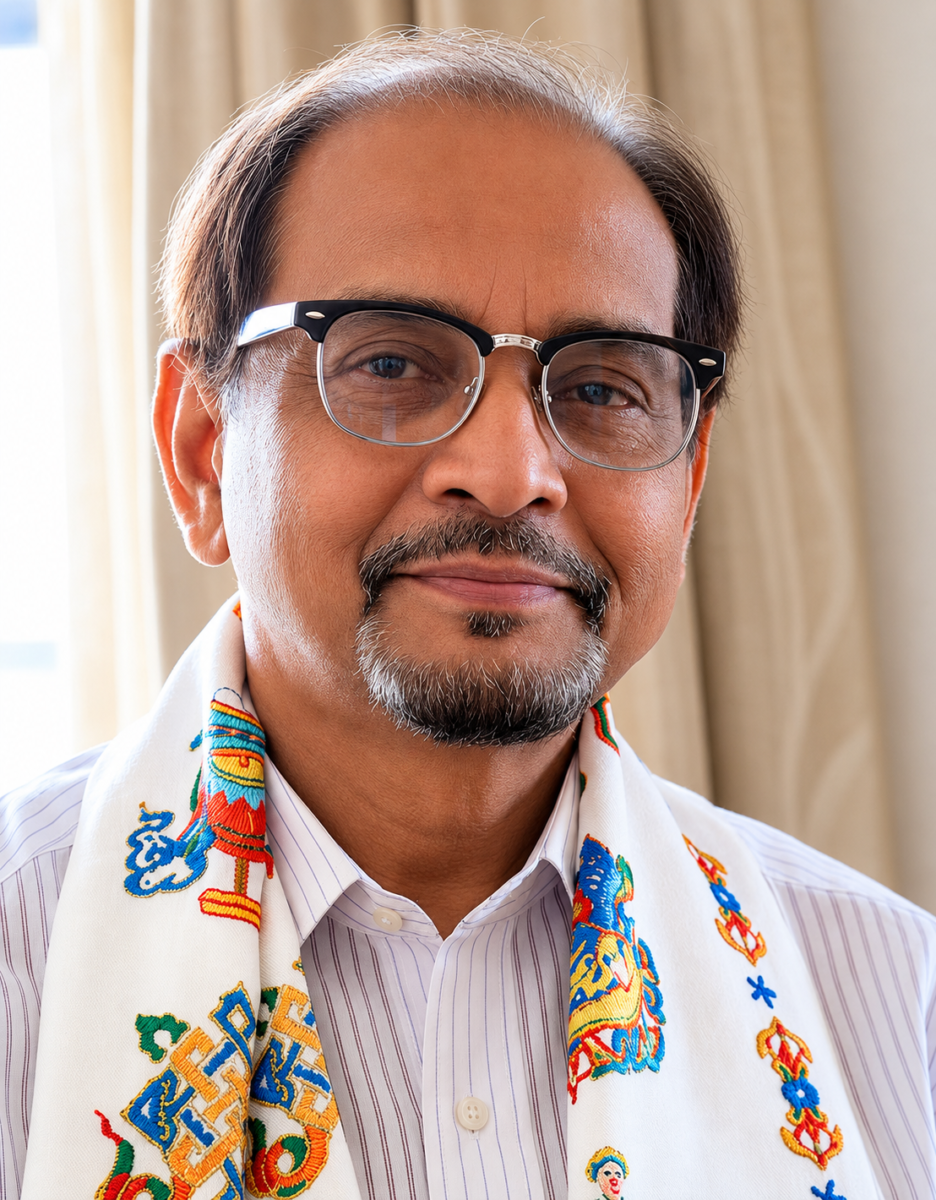
“How do we bridge the gap between ancient Indian tradition and cutting-edge modern AI? The answer can only come from a philosopher. Illustrated Abhidhamma: Buddhist Inputs for Artificial Intelligence effectively serves as a definitive guidebook, beautifully demonstrating how to strike a harmonious balance between human wisdom and machine intelligence.”
Prof. Abhijit Joshi, Department of Philosophy, University of Hyderabad


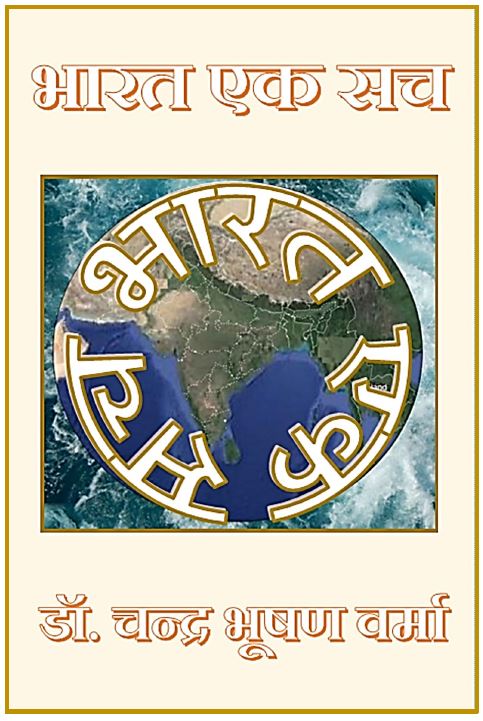
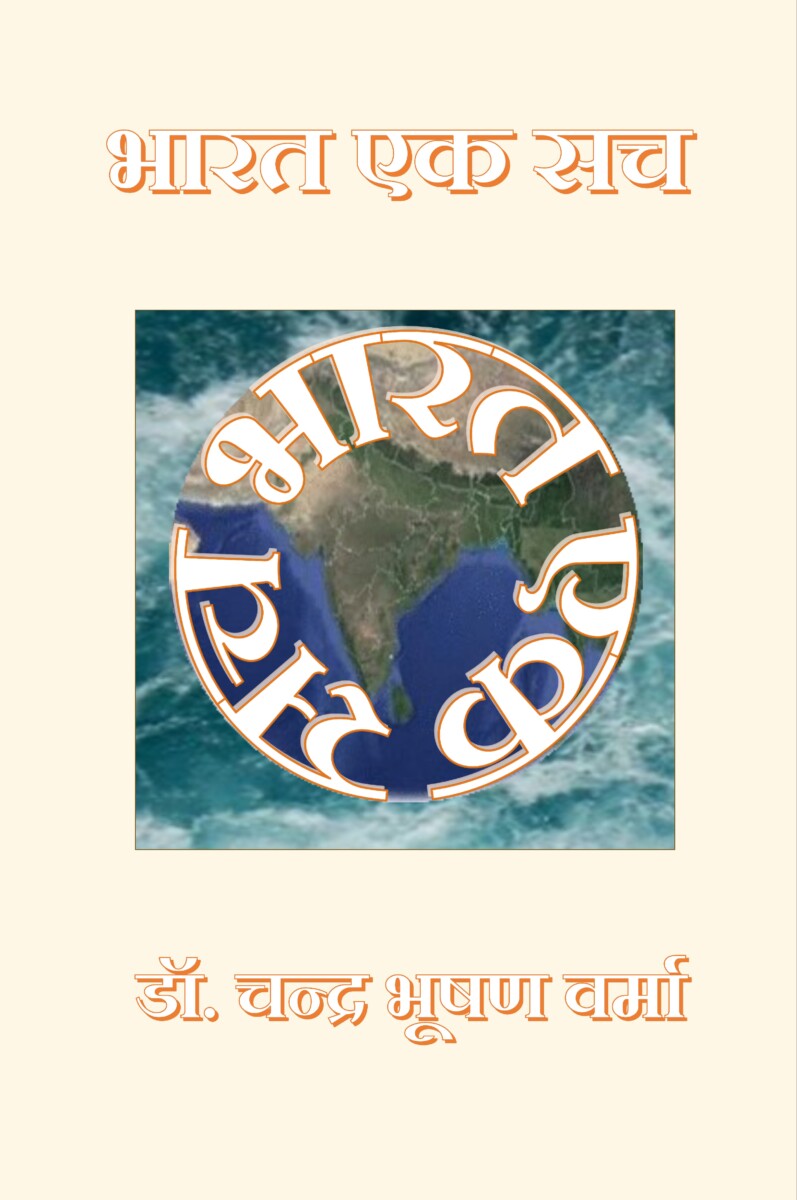 भारत एक सच: चंद्र भूषण वर्मा E-Book
Original price was: ₹499.00.₹200.00Current price is: ₹200.00.
भारत एक सच: चंद्र भूषण वर्मा E-Book
Original price was: ₹499.00.₹200.00Current price is: ₹200.00.
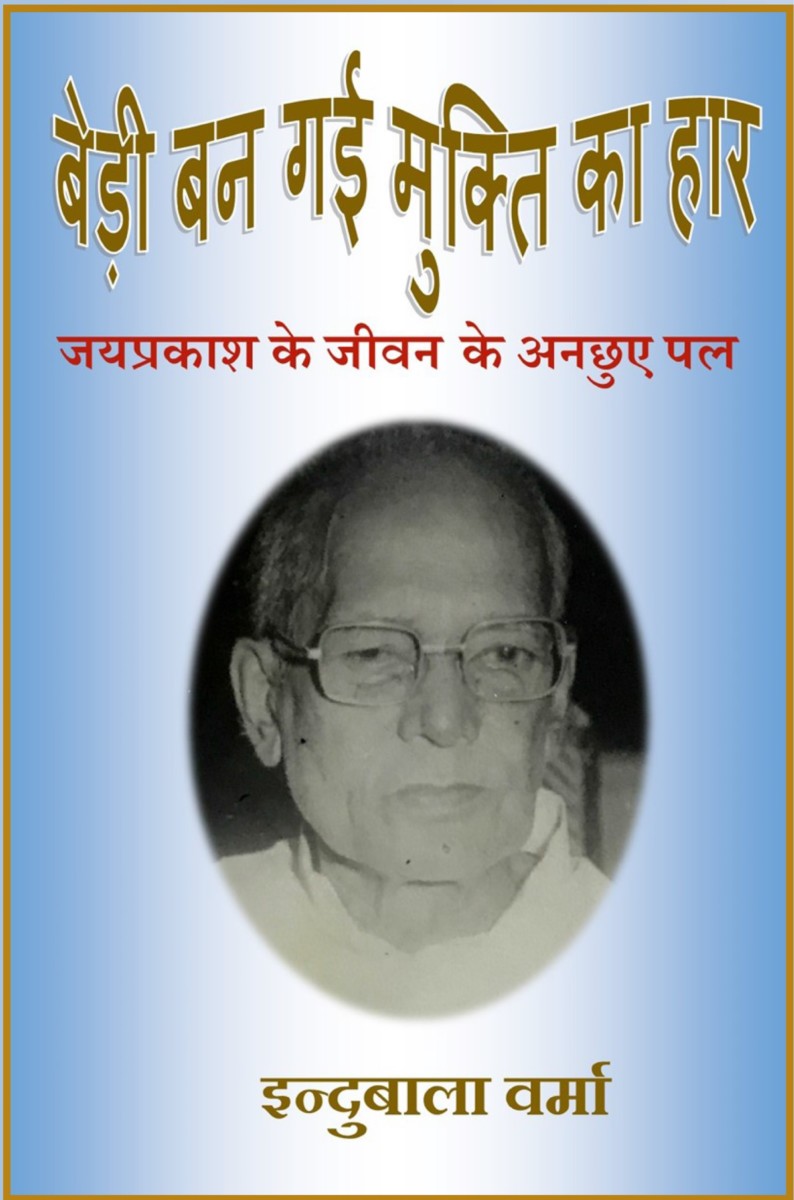
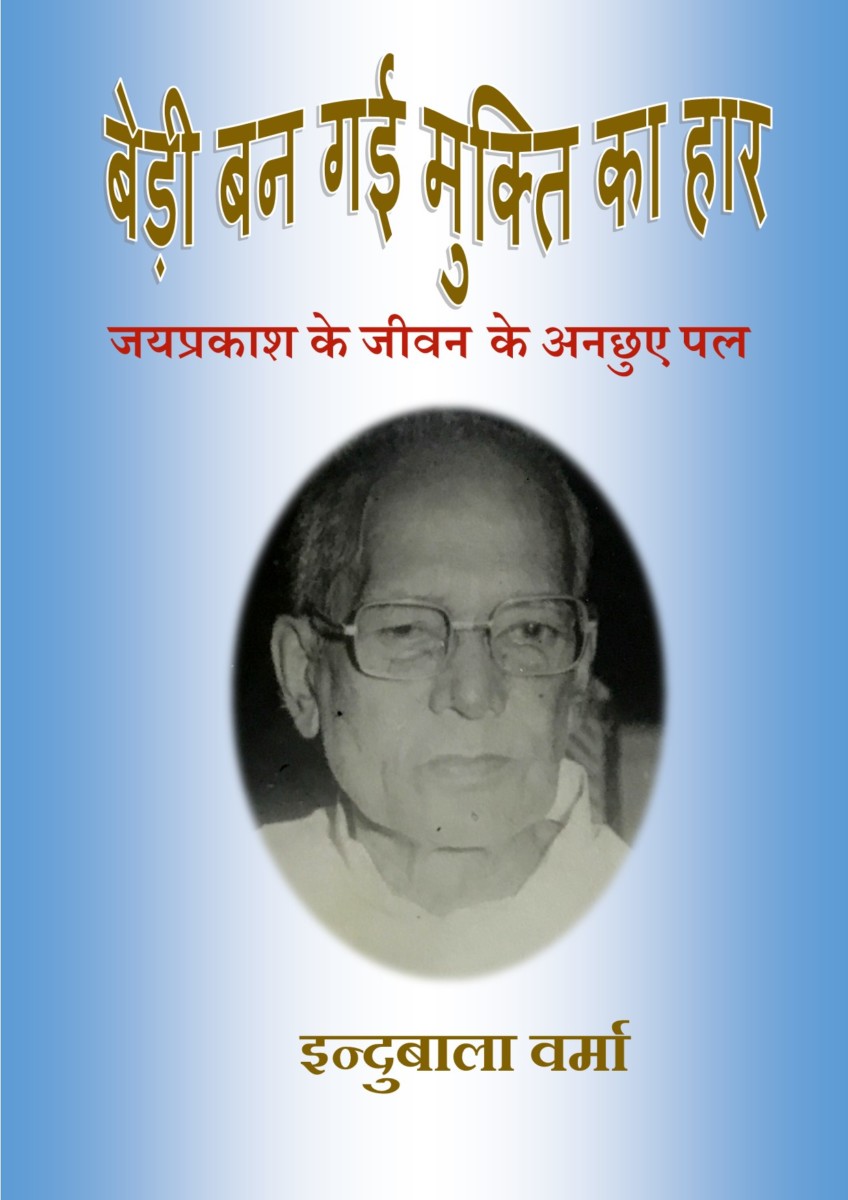 बेड़ी बन गयी मुक्ति का हार: जयप्रकाश के जीवन के अनछुए पल : इंदु बाला वर्मा (E-Book)
Original price was: ₹45.00.₹0.00Current price is: ₹0.00.
बेड़ी बन गयी मुक्ति का हार: जयप्रकाश के जीवन के अनछुए पल : इंदु बाला वर्मा (E-Book)
Original price was: ₹45.00.₹0.00Current price is: ₹0.00.
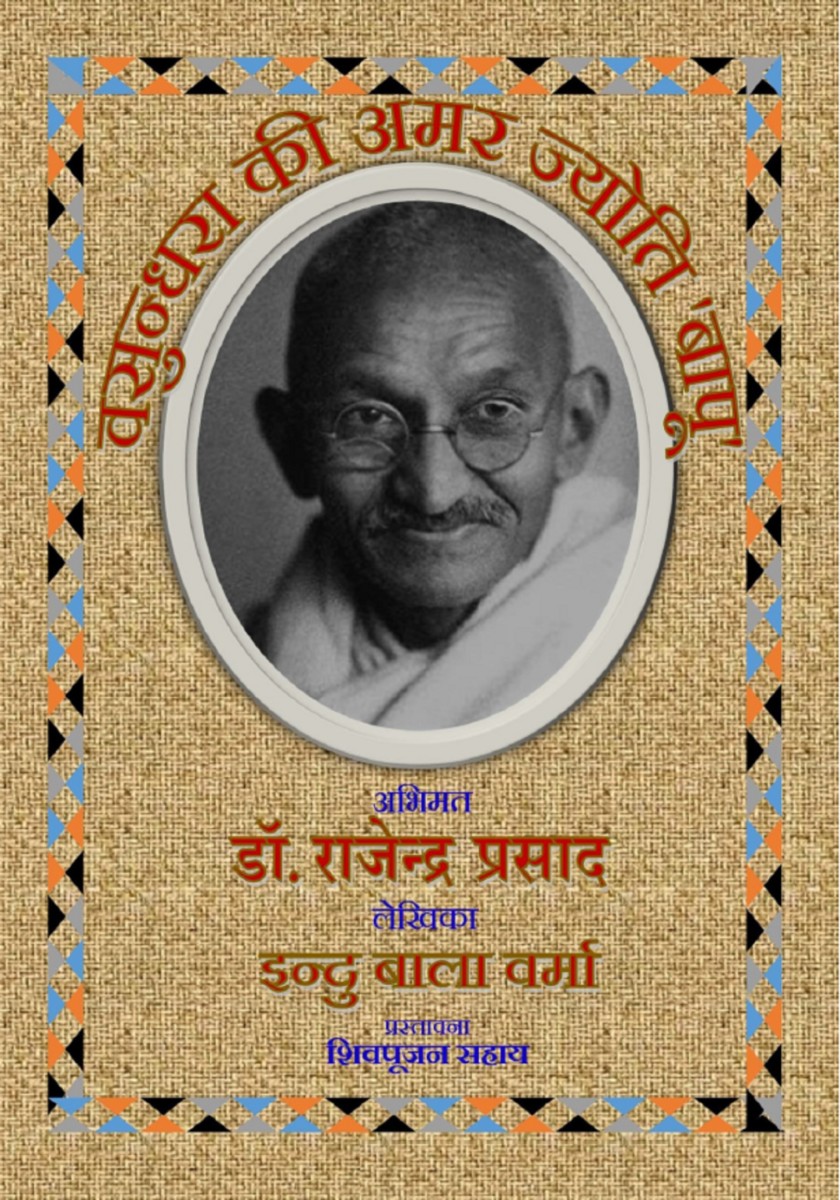
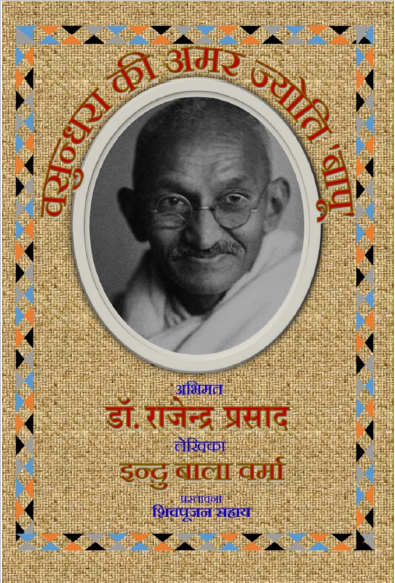 E Book: Vasundhara ki Amar-Jyoti Bapu (FREE) by Indu Bala Varma
Original price was: ₹95.00.₹0.00Current price is: ₹0.00.
E Book: Vasundhara ki Amar-Jyoti Bapu (FREE) by Indu Bala Varma
Original price was: ₹95.00.₹0.00Current price is: ₹0.00.
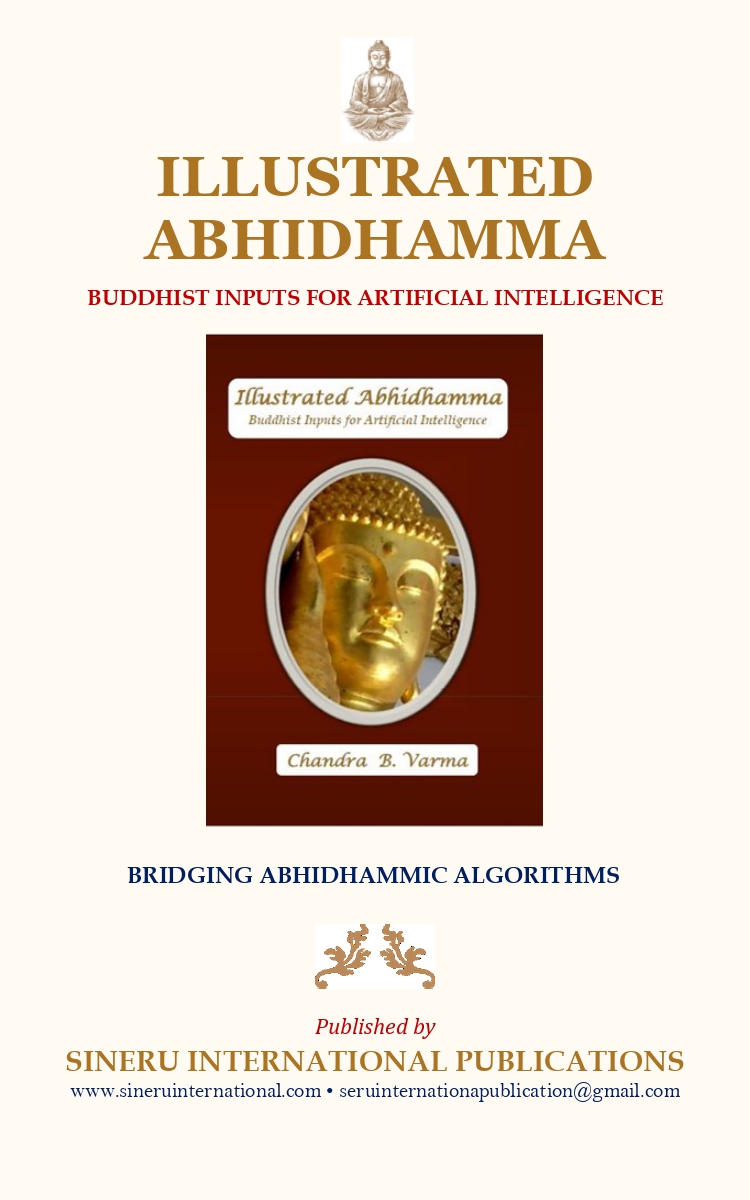
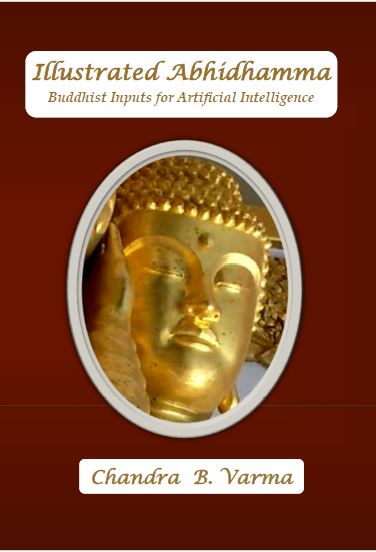 Illustrated Abhidhamma: Buddhist Inputs for Artificial Intelligence by Chandra B Varma
Original price was: ₹4,200.00.₹3,700.00Current price is: ₹3,700.00.
Illustrated Abhidhamma: Buddhist Inputs for Artificial Intelligence by Chandra B Varma
Original price was: ₹4,200.00.₹3,700.00Current price is: ₹3,700.00.
 Asian Renaissance E-Journal 1.2
Original price was: ₹80.00.₹10.00Current price is: ₹10.00.
Asian Renaissance E-Journal 1.2
Original price was: ₹80.00.₹10.00Current price is: ₹10.00.