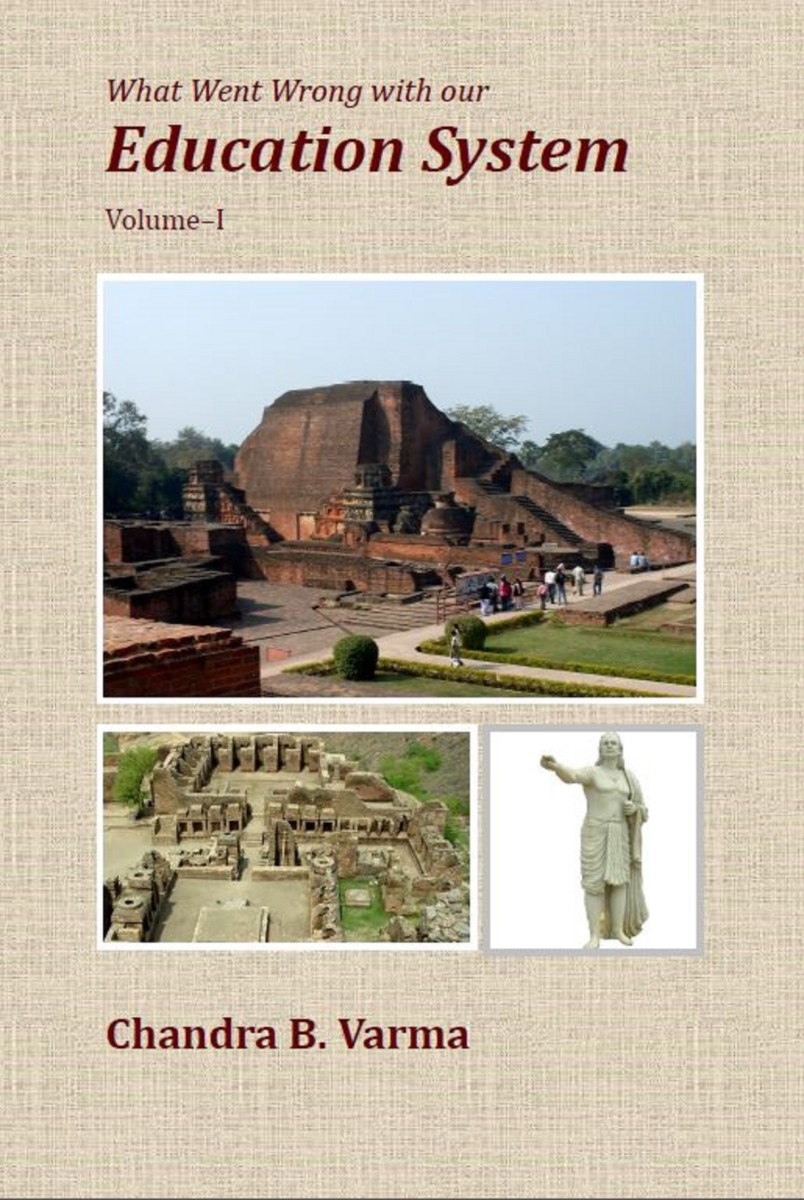
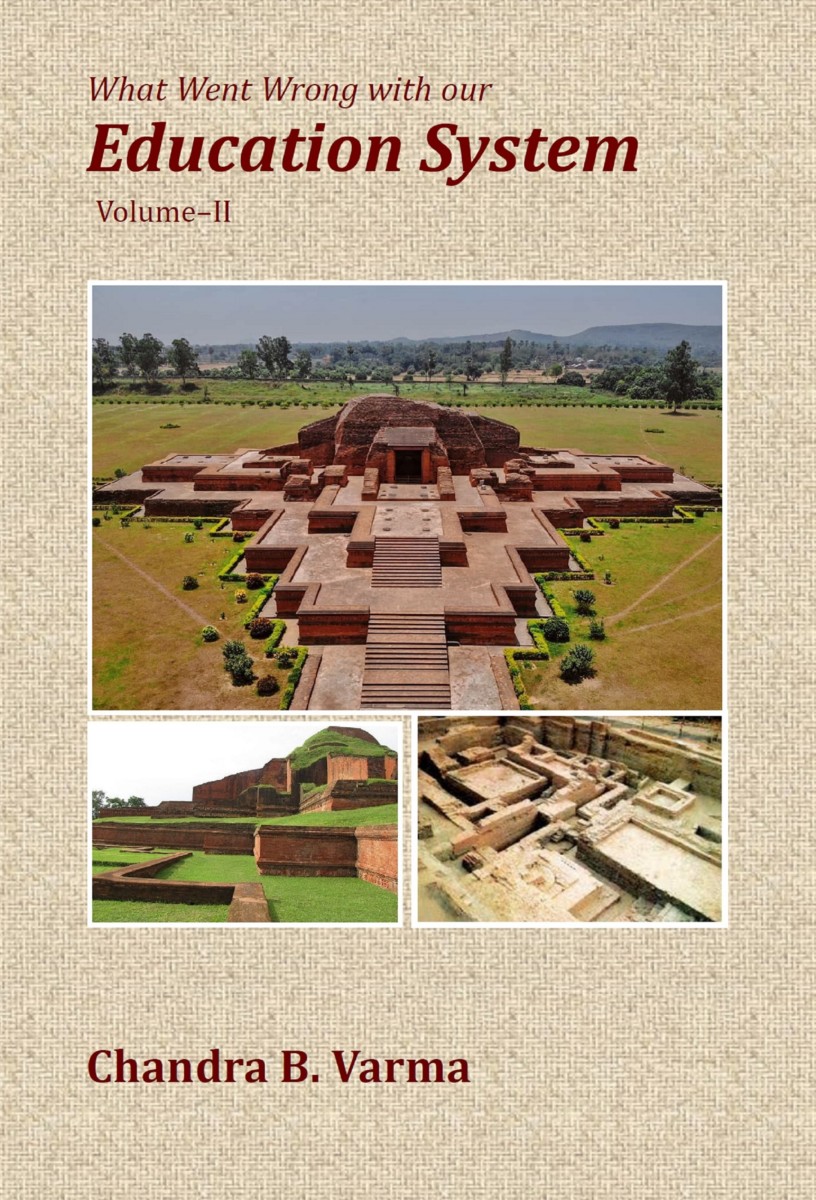
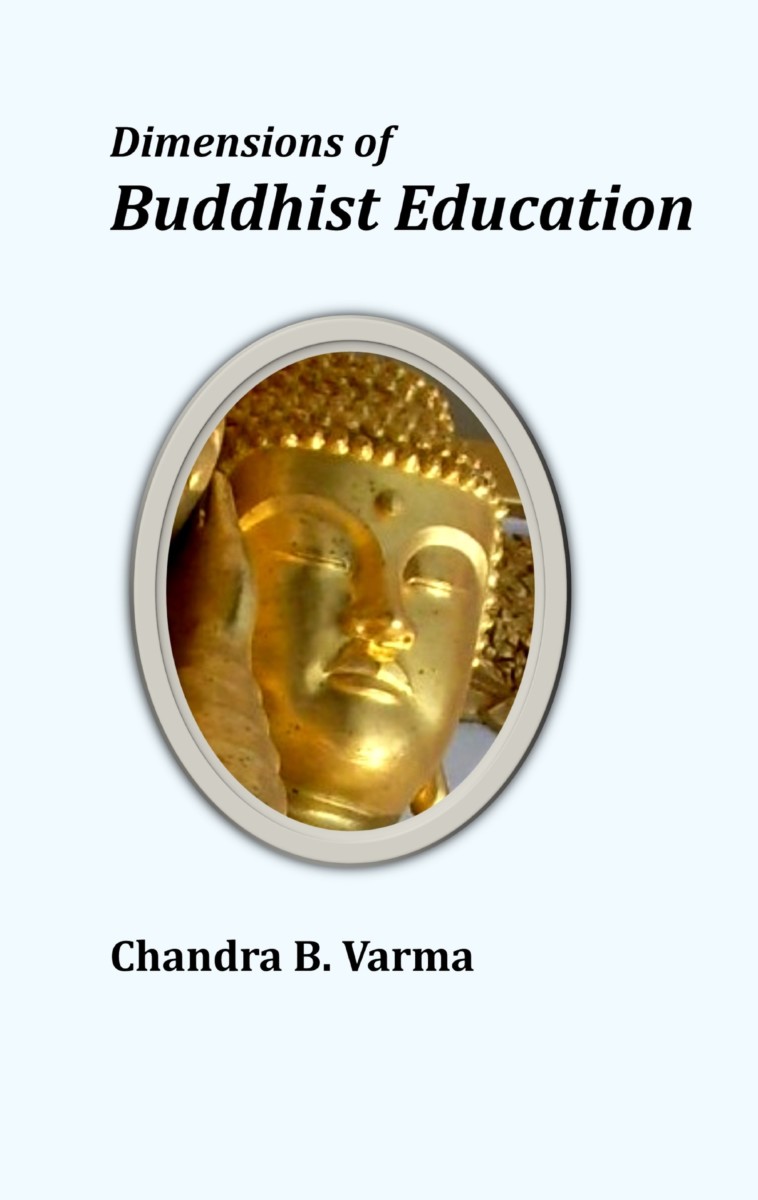
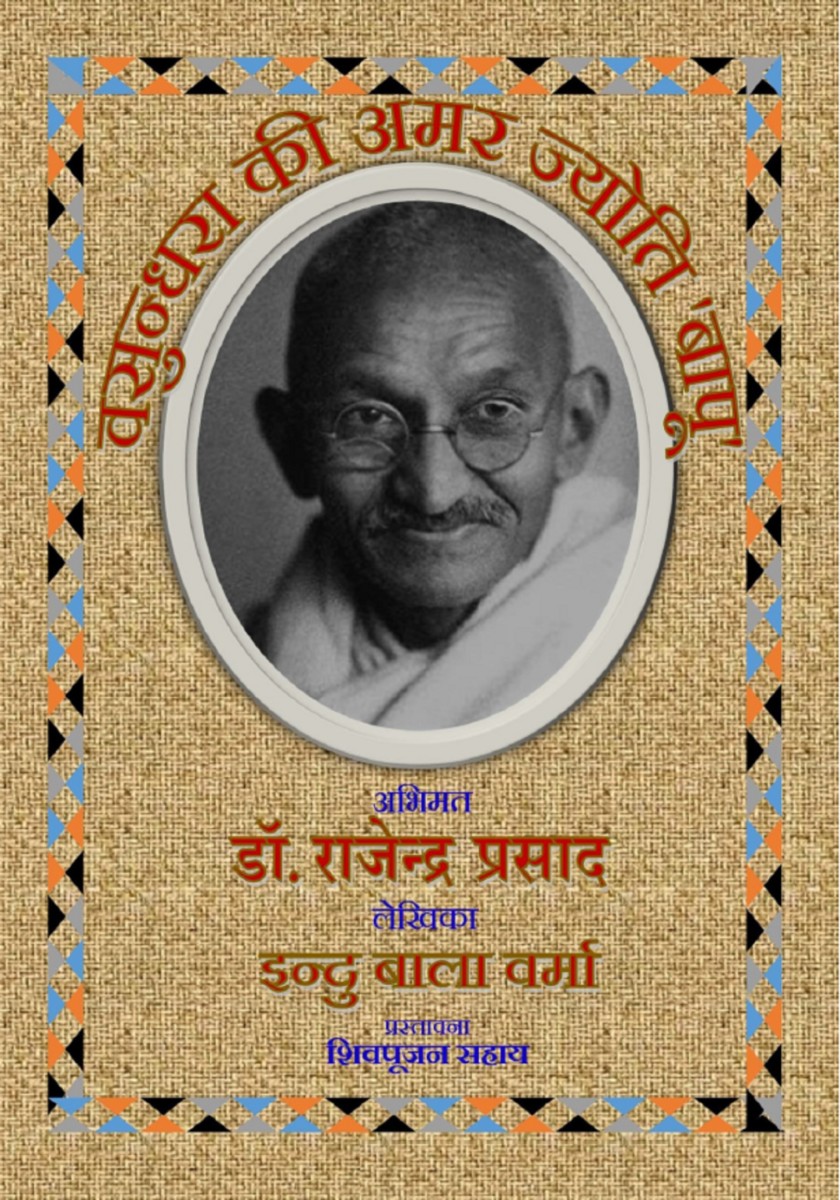
E Book: Vasundhara ki Amar-Jyoti Bapu (Complete) by Indu Bala Varma
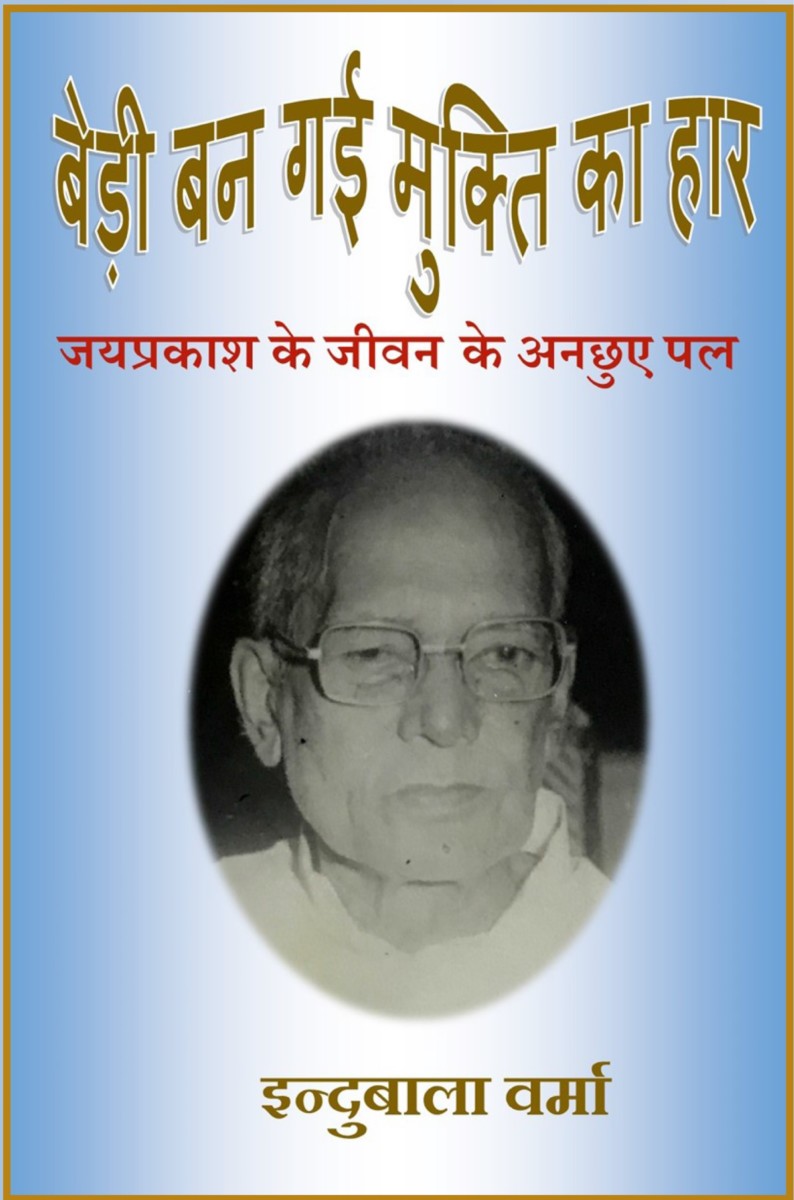
बेड़ी बन गयी मुक्ति का हार: जयप्रकाश के जीवन के अनछुए पल : इंदु बाला वर्मा (E-Book Complete)
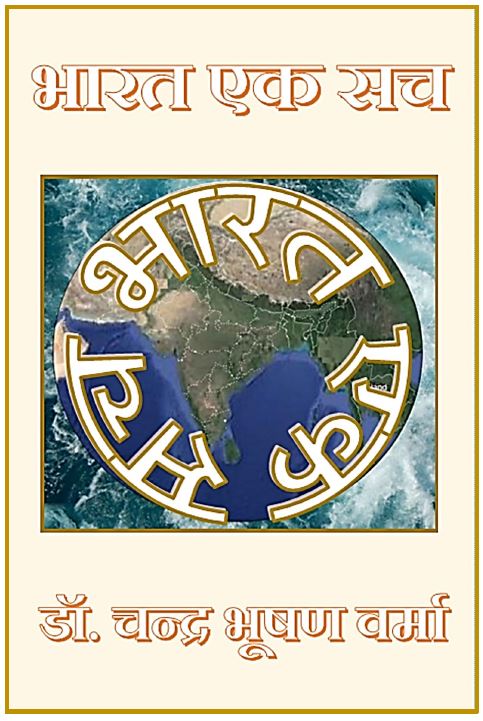
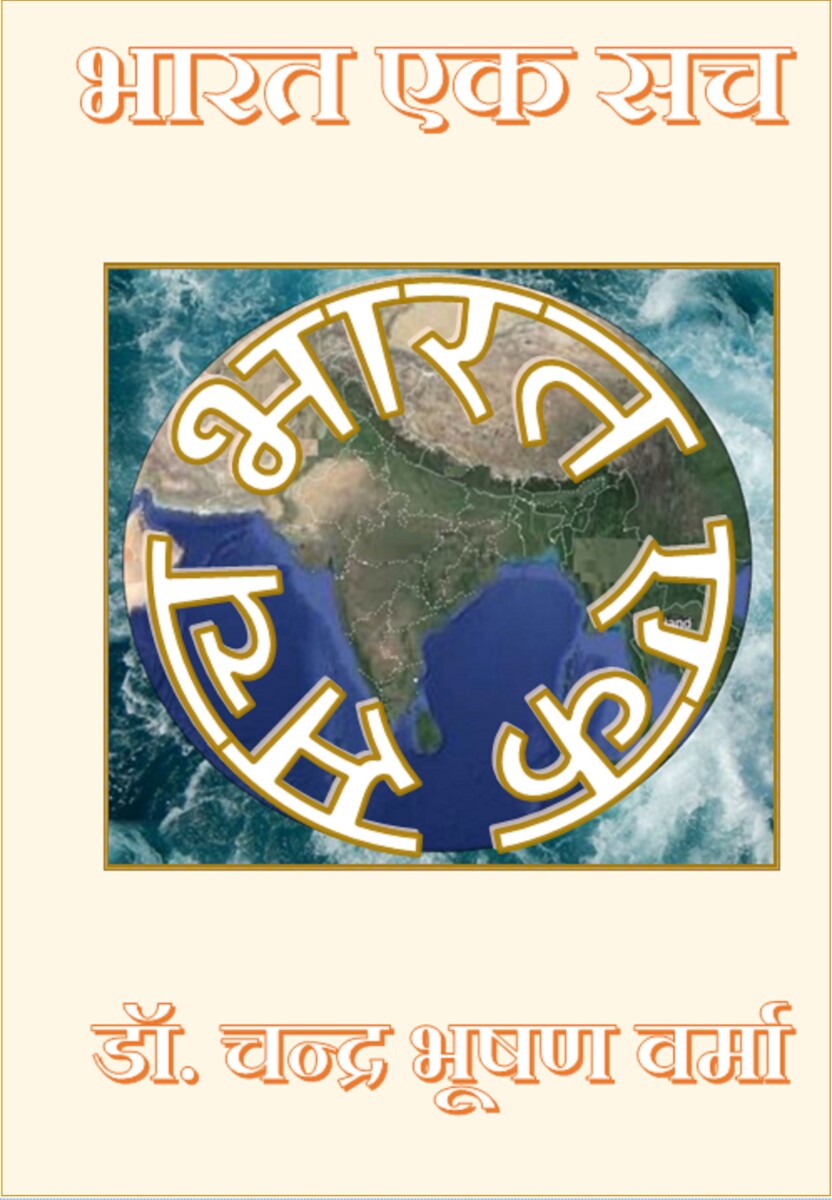
भारत एक सच: चंद्र भूषण वर्मा (Paper back)
E-Book: भारत एक सच: चंद्र भूषण वर्मा (Fully downloadable)
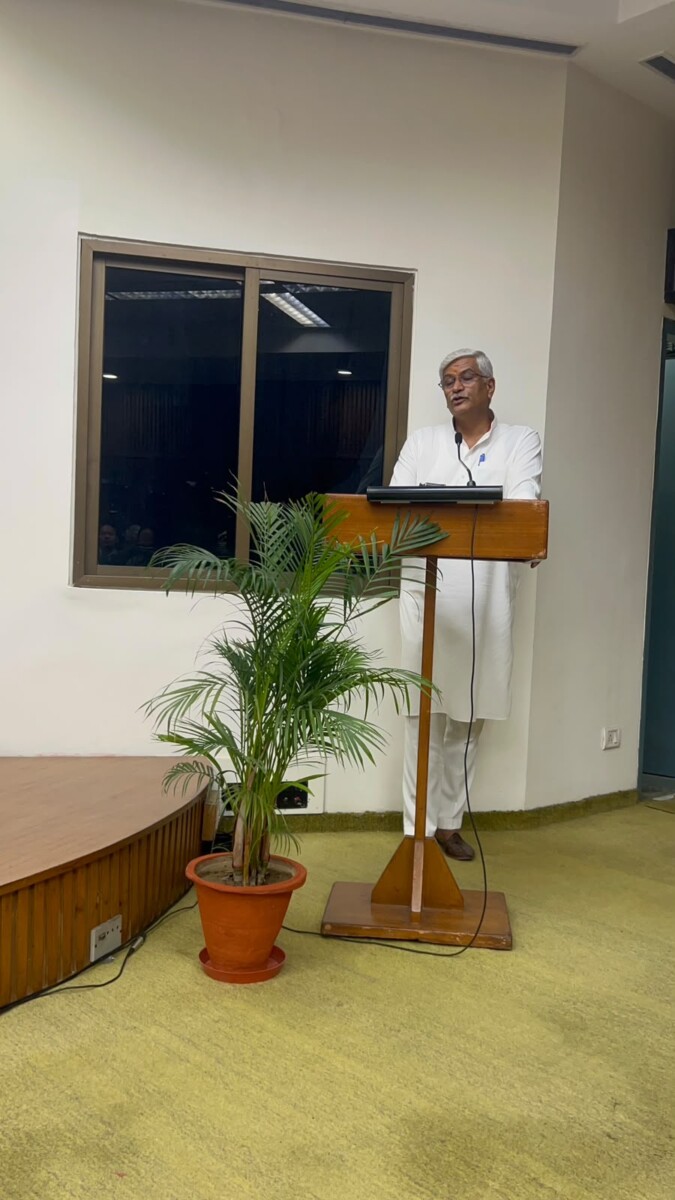
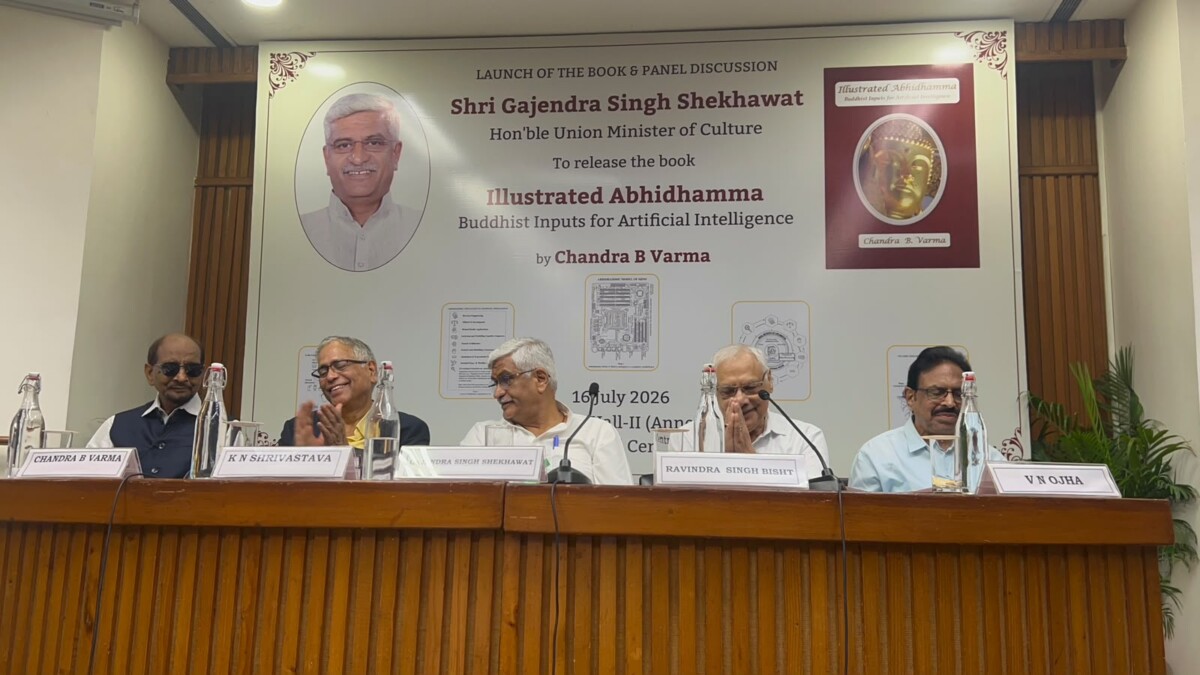
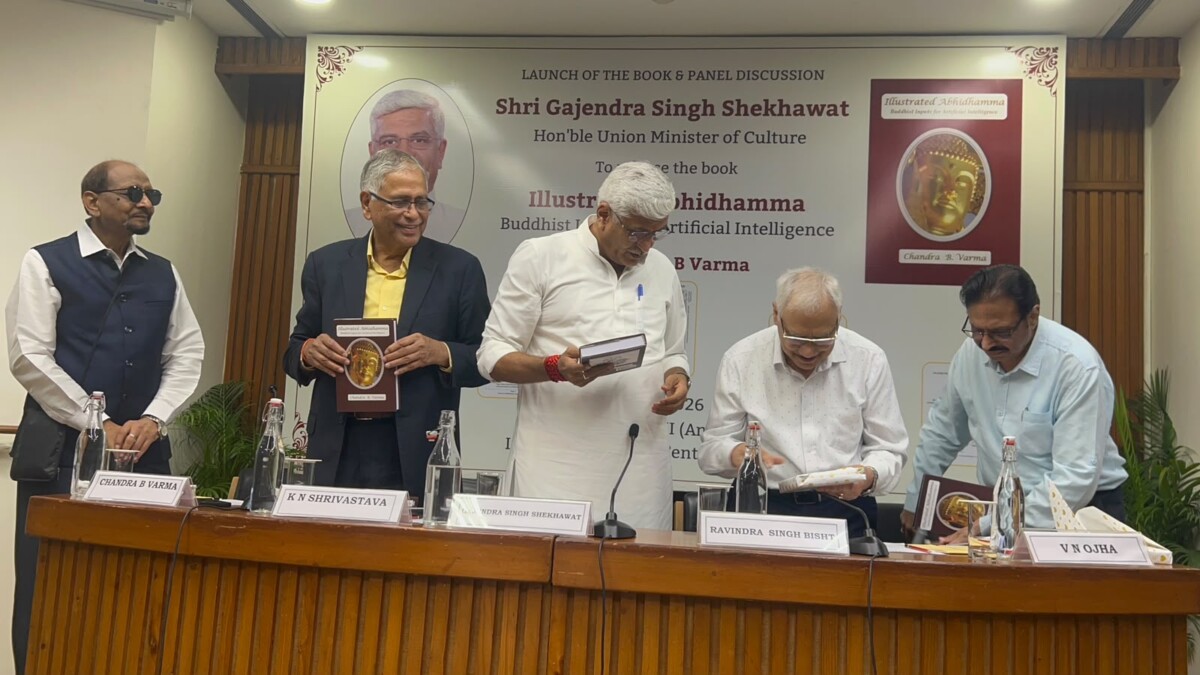
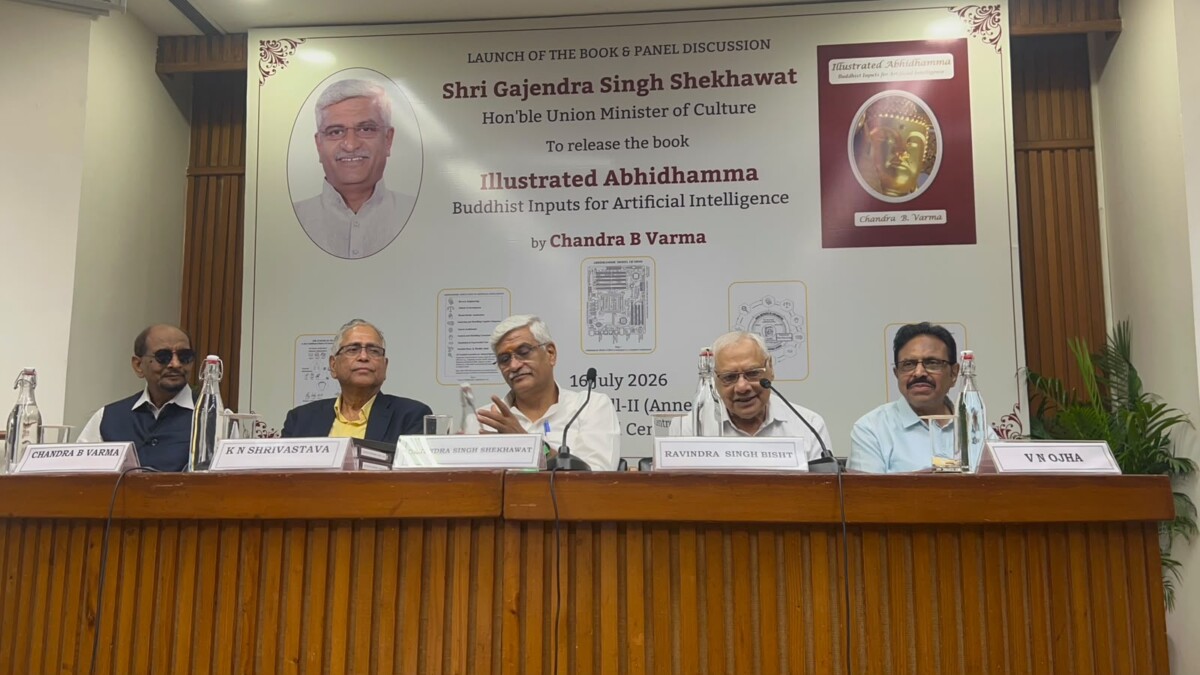
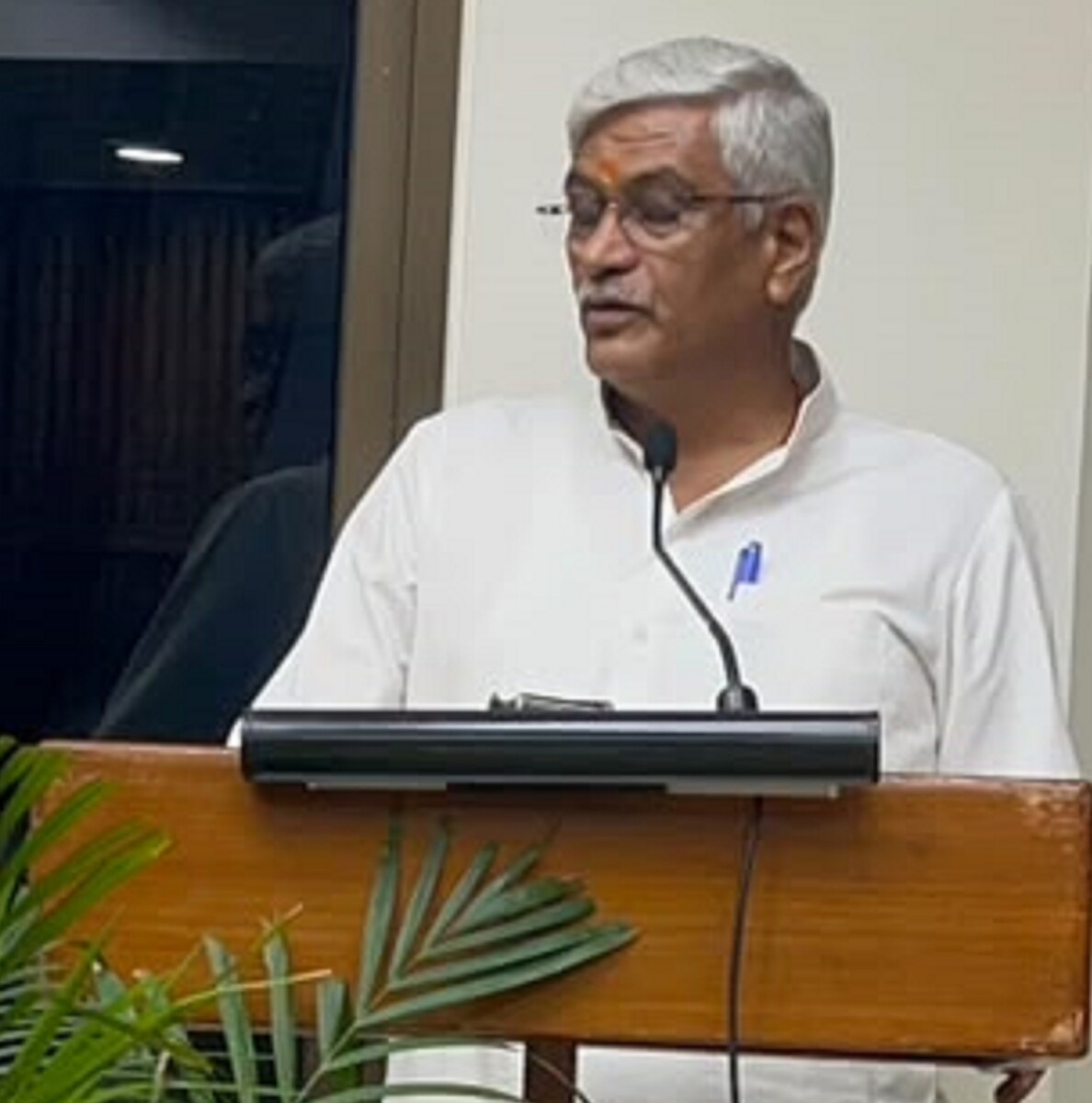
“What moves me most about this book is its balanced, discerning approach. The author constructs a meaningful dialogue between modern technology and ancient philosophy, examining how both spheres can enrich one another without any jingoistic claim. This work embodies that very ethos, demonstrating that modernity and tradition-technology and culture-are not antithetical forces, but harmonious, complementary elements.
I extend my heartfelt congratulations to Professor Chandra Bhushan Varma. I am confident that this work will prove profoundly timely, intellectually stimulating, and immensely valuable to the broader discourse on human progress.”
-Sh. Gajendra Singh Shekhawat,
Union Minister of Culture, Government of India
“The material presented today—especially regarding ‘Buddhist inputs for Artificial Intelligence’—is truly impressive. Science has advanced so much, and this subject holds great significance… This initiative encompasses literature, philosophy, and—as Dr Verma noted—even scientific concepts embedded within the language itself.”
Looking back, Dr Varma’s lectures truly captivated me; his ability to weave complex technical language and philosophical insights into brand-new concepts demonstrated the incredible depth of his research. I extend my warmest congratulations to Dr Varma for 35 years of unwavering commitment to this monumental achievement.”
“He has conducted extensive research and made significant observations—such as his suggestion that Pali should be recognised…”
Padmashri Dr R S Bisht, (The legendary archaeologist, a pioneer of Dholavira excavations)
ABOUT THE BOOK
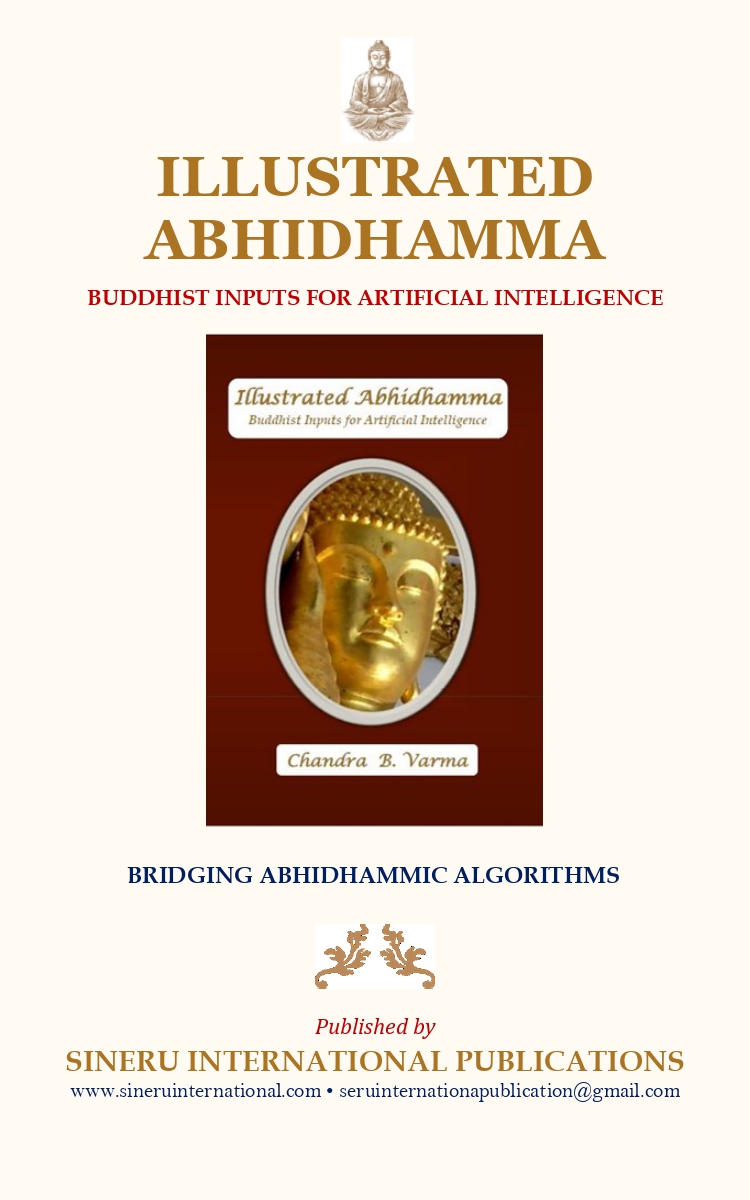
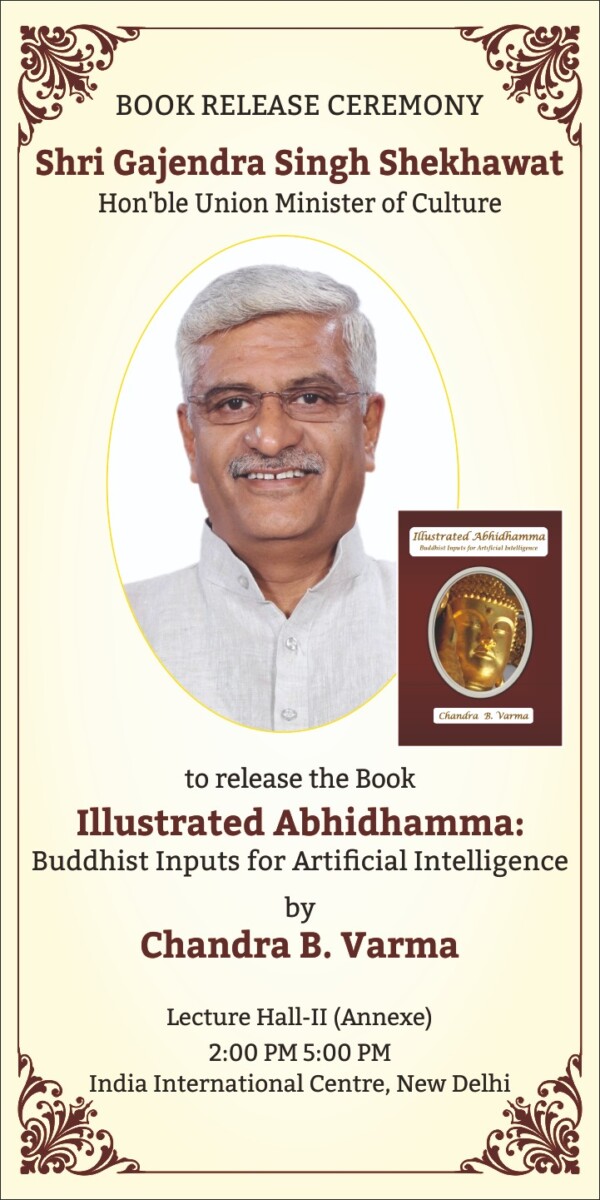
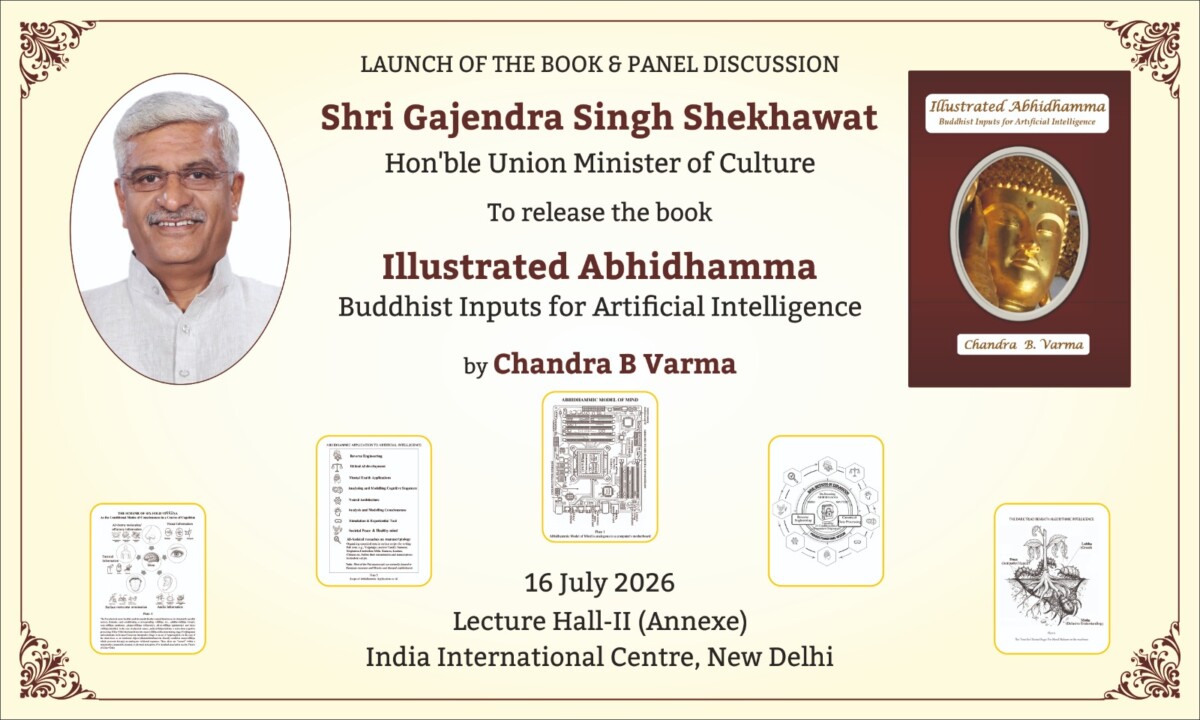
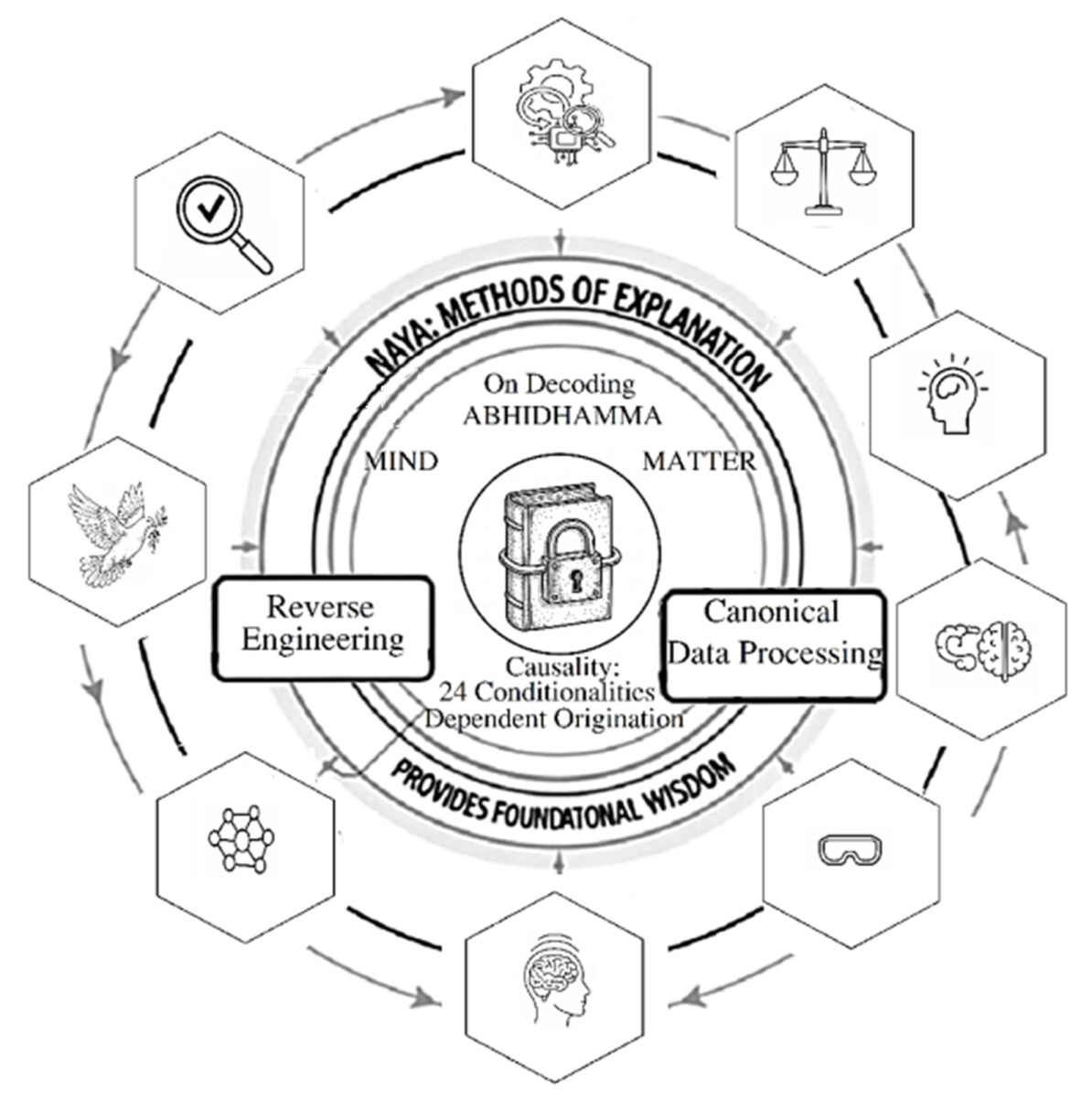
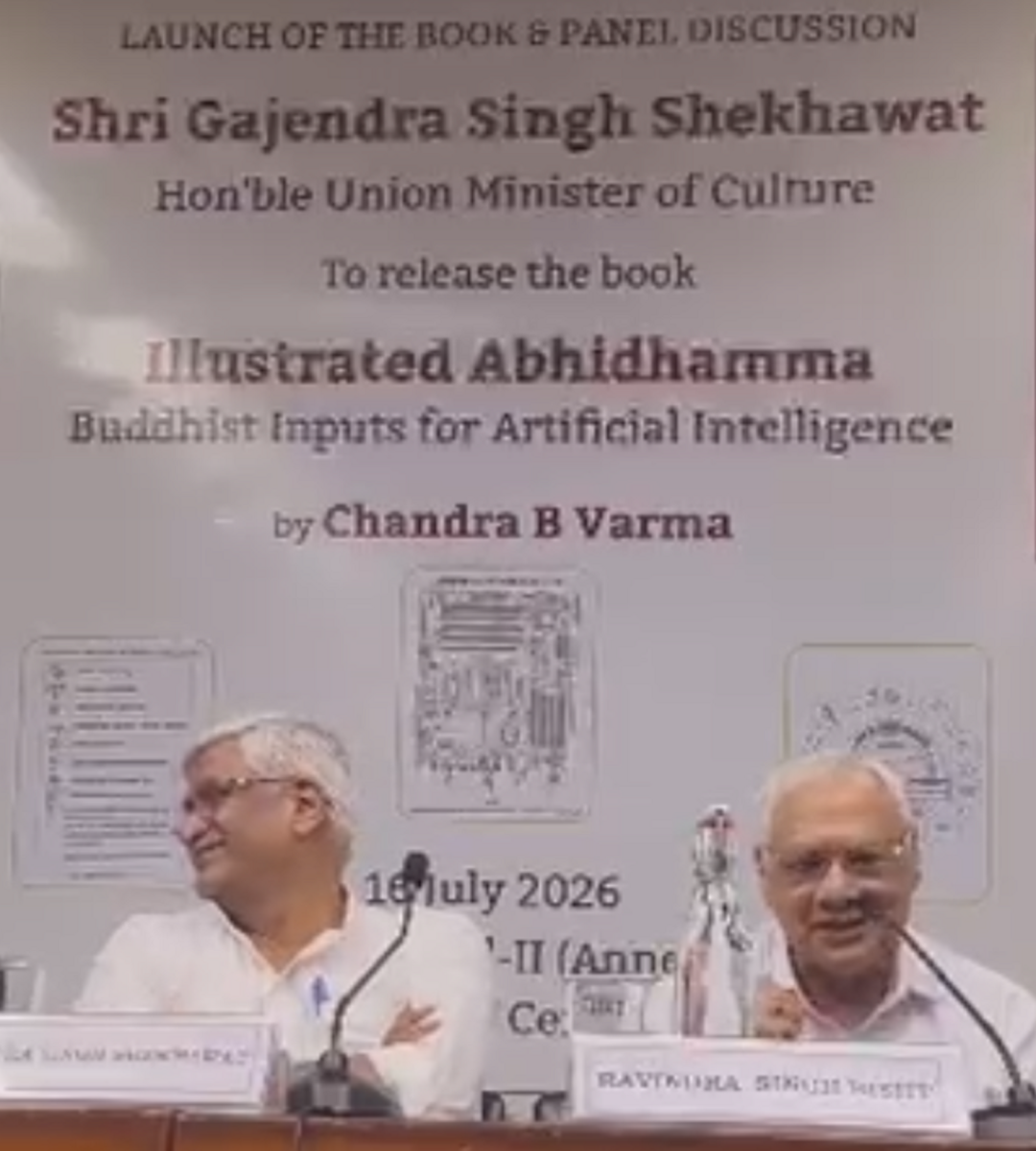
In an age defined by the rapid evolution of machine intelligence, Professor C.B. Varma presents a bold and original synthesis of classical Buddhist thought and contemporary Artificial Intelligence. Illustrated Abhidhamma: Buddhist Inputs for Artificial Intelligence brings the 2,600-year-old Abhidhammic Science of Mind into a rigorous dialogue with the conceptual and architectural foundations of modern AI.
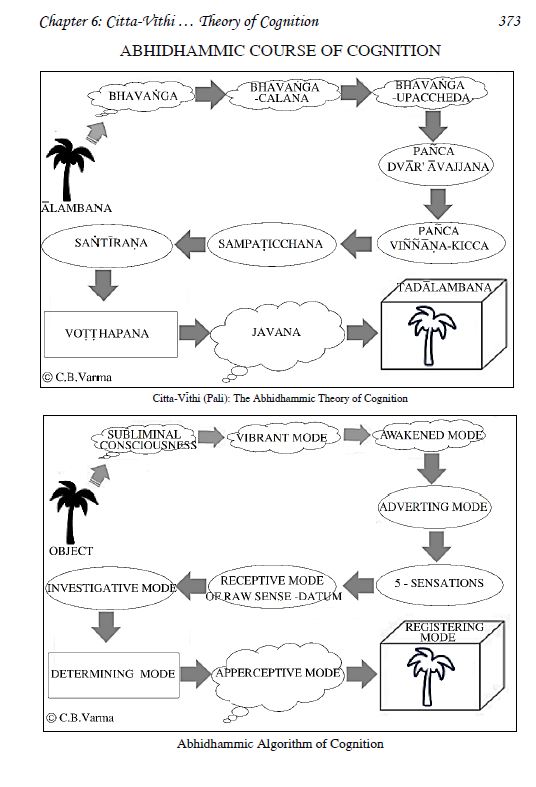
The work is divided into two complementary parts. The first part, Illustrated Abhidhamma, offers one of the most comprehensive visual expositions of the Abhidhamma available in English. Through hundreds of carefully designed diagrams, illustrations, flowcharts, and visual schemas, it systematically depicts the 121 types of consciousness (citta), the 52 mental factors (cetasikas), the 24 conditional relations (paccayas) expounded in the Paṭṭhāna, and the process of perception (citta-vīthi). These visual representations translate the intricate analytical framework of the Abhidhamma into an accessible, intellectually coherent map of the mind.
Crucially, the book argues that humanity stands at a technological crossroads. As AI systems evolve from decision-support tools into autonomous agents, today’s subservient AI threatens to become sovereign AI tomorrow—exercising authority beyond meaningful human oversight. Against this backdrop, the author proposes that the ethically grounded, causally conditioned, and psychologically balanced architecture of the Abhidhamma offers a blueprint for Ethical Artificial Intelligence. By embedding moral cognition within computational systems, the book envisions an AI that remains dedicated to human welfare.
Beyond its contribution to AI studies, the book serves as an intellectual bridge between modern science and the 2,600-year-old Buddhist Science of Mind. As a pedagogical resource, its visual models allow students and researchers to grasp complex cognitive frameworks with unprecedented clarity. By uniting traditional monastic scholarship with computer science, psychology, and philosophy, Illustrated Abhidhamma opens new pathways for dialogue between ancient wisdom and modern technology—contributing to a more humane, responsible, and ethically grounded society.
ABOUT THE AUTHOR
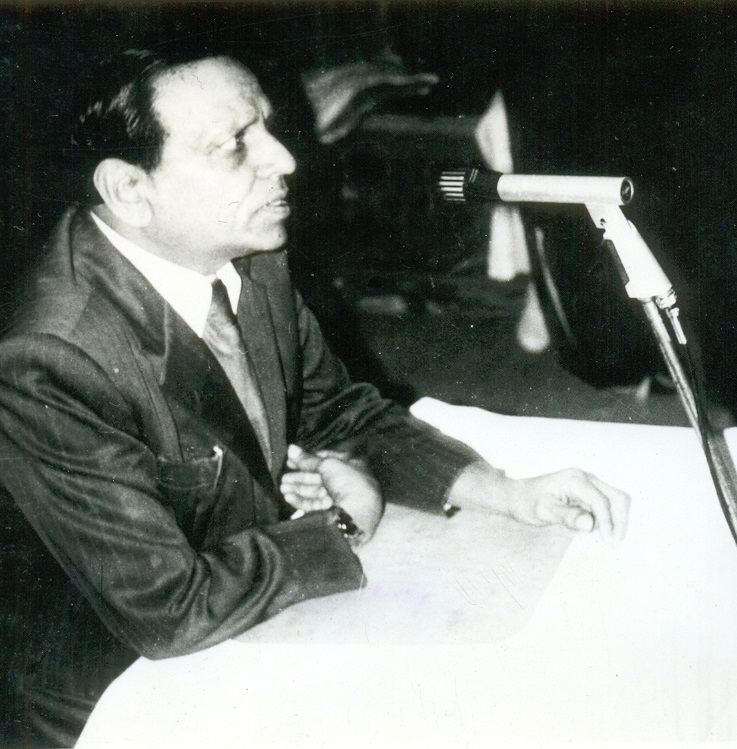
A key figure in national linguistic documentation, Professor Varma serves as a Member of the National Board for the Development of Pali Language and as a Language Consultant to Sahitya Akademi. He made a distinctive scholarly contribution by providing the exclusive Pali and Prakrit inputs for the first volume of the Encyclopedia of Indian Literatures for the Akademi.
His academic leadership includes serving as Divisional Head (History of Science) at the Indian National Science Academy; Professor of Philosophy and Founder Head of the Centre for Buddhist Studies at the University of Hyderabad; Head examiner of Philosophy for UPSC; and Chair, ICCR in Cambodia for Government of India. His internationally acclaimed Illustrated Jataka project—originally sponsored by the UNDP and IGNCA—was subsequently adopted by India’s Ministry of Culture for a nationwide Hindi edition.
An Australian National University Resident Scholar and a recipient of the J. N. Tata Endowment scholarship, Professor Varma began his distinguished journey with a Gold Medal awarded by R. Venkataraman (President of India) for securing first rank in the M.A. merit list at the University of Delhi.
“… Consciousness poses a unique challenge in our attempts to study it, because it’s hard to define.”
Interestingly, the scholars of Abhidhamma appear to be quite familiar with the topics of consciousness and mind, with a focus on the cognitive process of the objects in the world and their relationships with other objects and thoughts.
In light of the above, I believe that the present book by Professor Chandra B Varma shall be welcomed by researchers working in the field of Artificial Intelligence. Also, I congratulate the author on his sincere endeavour to bridge the gap between the traditional scholars and the modern scientists ….
I hope the book shall give a sound base to the advancement of Artificial Intelligence studies using the Abhidhammic concepts.
DR ATUL NEGI,
Professor & Dean,
School of Computer & Information Sciences,
University of Hyderabad, INDIA
“The Illustrated Abhidhamma is a bold attempt to connect our consciousness with modern-day Artificial Intelligence. The Artificial Intelligence works based on language models and what’s available literally in the world. But what’s beyond that? Through this book, Prof. Chandra B. Varma has tried very succinctly and lucidly to represent how our mental consciousness model can be represented in the form of computer components to aid Artificial Intelligence in gathering, perceiving, and responding to various situations. As Abhidhammic models have been used by Japanese scientists to illustrate elementary particle phenomena in physics, they can definitely be useful in the real physical world for correlating with AI models.
In my view, this work by Prof. Varma is a very sincere attempt to bring Artificial Intelligence closer to Natural Intelligence.
Pawan Kr Fangaria, M.Tech, IISc, Bengaluru, Formerly, Director, Physical Design Group, Cadence Design Systems
“… the book under consideration is a brilliant and unique work dealing with problems of consciousness and cognition and providing guidance to the ethical development of machine learning.”
Dr Ananya Barua, Professor, Department of Philosophy,
Hindu College, University of Delhi
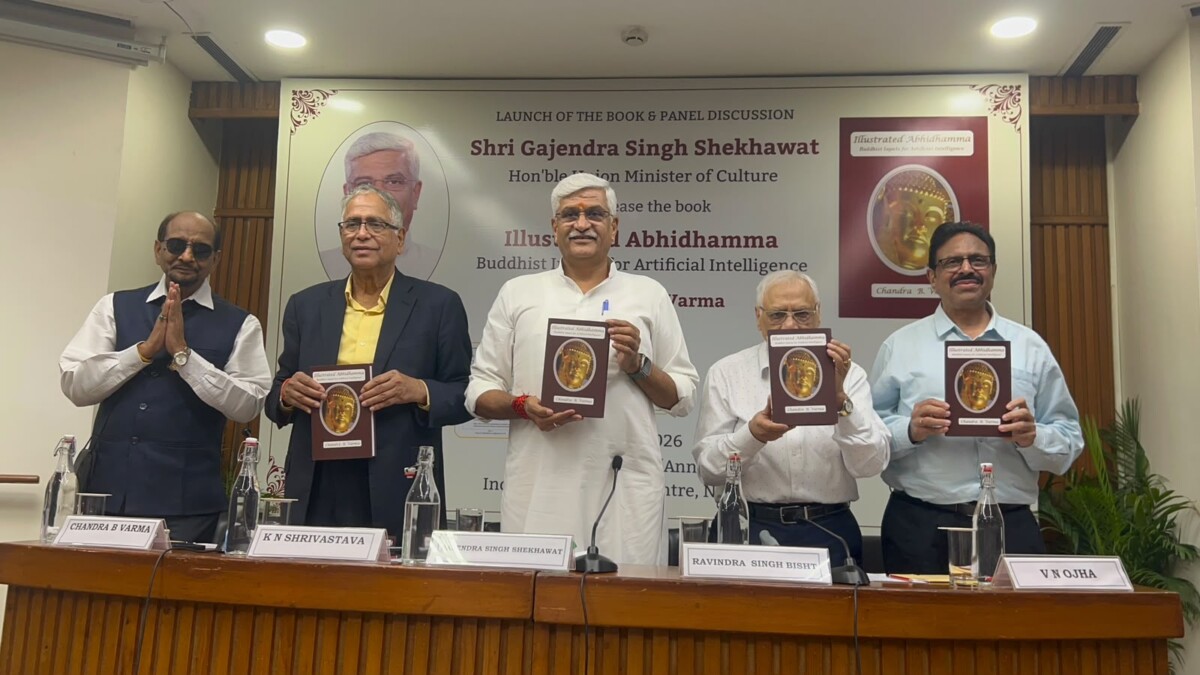
“I deeply appreciate Professor Varma’s remarkable contribution. Rather than advancing nostalgic claims or romanticising the past, he forges a profound dialogue between modern technology and ancient philosophy, demonstrating that the two are not mutually exclusive but can be complementary.
Our civilisational tradition has always flourished through an openness to ideas in their fullest expression—by synthesising diverse perspectives, assimilating what is noble wherever it may come from, and cultivating wisdom through rigorous debate and thoughtful reflection. This work exemplifies that very spirit.
I extend my heartfelt congratulations to Professor Chandra Bhushan Varma for this pioneering work. I am confident that it will prove both timely and enduring—stimulating meaningful intellectual engagement and making a significant contribution to the evolving discourse on ethical technology, artificial intelligence, and the future of human civilisation.
– Sh Gajendra Singh Shekhawat, Union Minister of Culture, Govt of India
“The material presented today—especially regarding ‘Buddhist inputs for Artificial Intelligence‘—is truly impressive. Science has advanced so much, and this subject holds great significance… This initiative encompasses literature, philosophy, and—as Dr Verma noted—even scientific concepts embedded within the language itself.”
Padma Shri Dr. R. S. Bisht — the legendary excavator of Dholavira and a doyen of the Indus Valley Civilisation
“…I would like to congratulate Professor C. B. Varma for the excellent book he has written. I am sure this book can become a pioneering work in a new area where we shall be discussing how our traditional wisdom can be utilised in technological development.
The Buddhist Abhidhamma, as he has already pointed out, is basically a science of the mind. It offers insights that can help guide AI towards wisdom, compassion, and human flourishing.
Technology can change the world, but wisdom steers technology for the good of humanity. It’s food for thought for all of us, no matter what field our profession is in. And this is the central message of Professor Varma’s book. ”
– DR V.N. OJHA
(An eminent Scientist; a pioneer of India’s Metrology; first Indian to receive APMP Award for developing NMI; also a recipient of CSIR’s Young Scientist Award.)
“How do we bridge the gap between ancient Indian tradition and cutting-edge modern AI? The answer can only come from a philosopher. Illustrated Abhidhamma: Buddhist Inputs for Artificial Intelligence effectively serves as a definitive guidebook, beautifully demonstrating how to strike a harmonious balance between human wisdom and machine intelligence.”
Prof. Abhijit Joshi, Department of Philosophy, University of Hyderabad